Heritage and Nature Places to Visit in Ranthambore

Why Ranthambore National Park Shines During the Monsoon
July 9, 2025
Top 8 Interesting Facts About Ranthambore Wildlife Sanctuary
October 1, 2025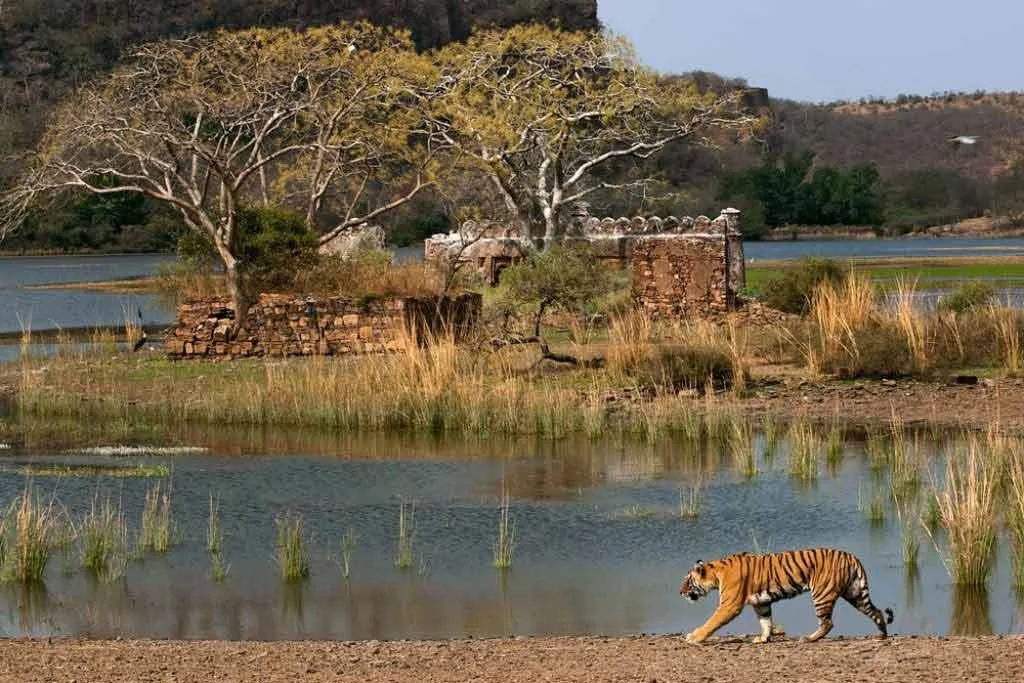
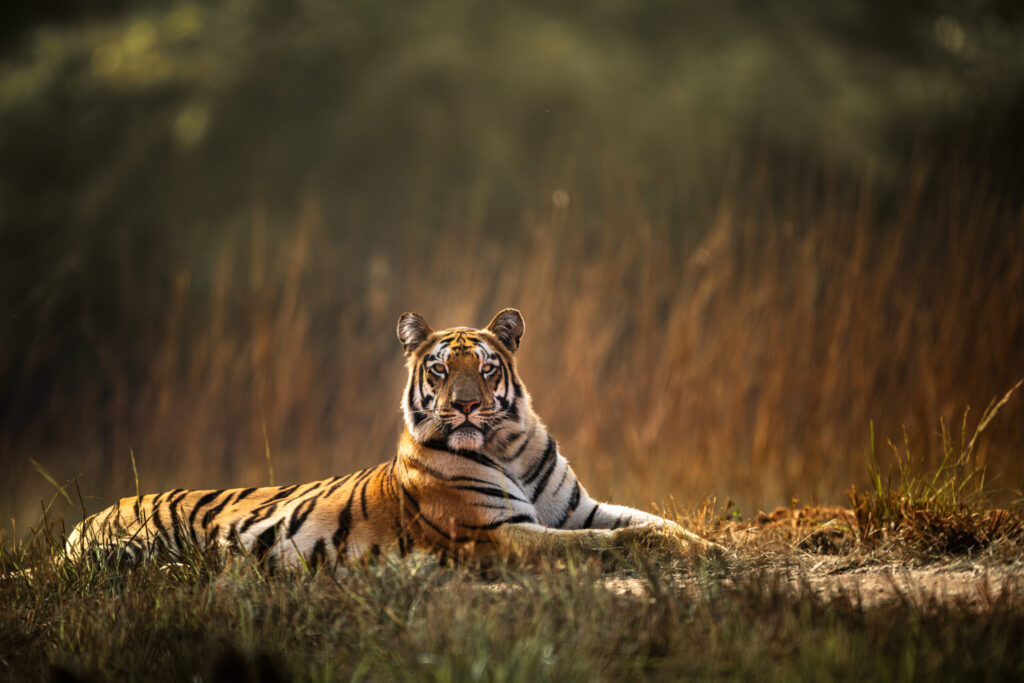
Tucked within the rugged folds of the Aravalli and Vindhya hill ranges in eastern Rajasthan, Ranthambore is a sanctuary where ancient stone and raw wilderness coexist. Most travelers know it as the stomping ground of the royal Bengal tiger, yet the landscape holds far more than elusive predators. Ancient battlements crown rocky ridges, crumbling royal pavilions peek through dense Dhok forests, and seasonal water bodies attract flocks of migratory birds.
Whether you are charting an itinerary for wildlife photography, spiritual pilgrimage, or architectural exploration, discovering the prime places to visit in Ranthambore reveals a captivating blend of royal heritage and untouched natural beauty. Understanding the region also requires looking at its gateway city, Sawai Madhopur, whose local culture and historical sites enrich any jungle retreat. Here is an in-depth guide to the top heritage landmarks, pristine nature spots, and travel essentials for this historic corner of Rajasthan.
Iconic Heritage Sites Inside Ranthambore
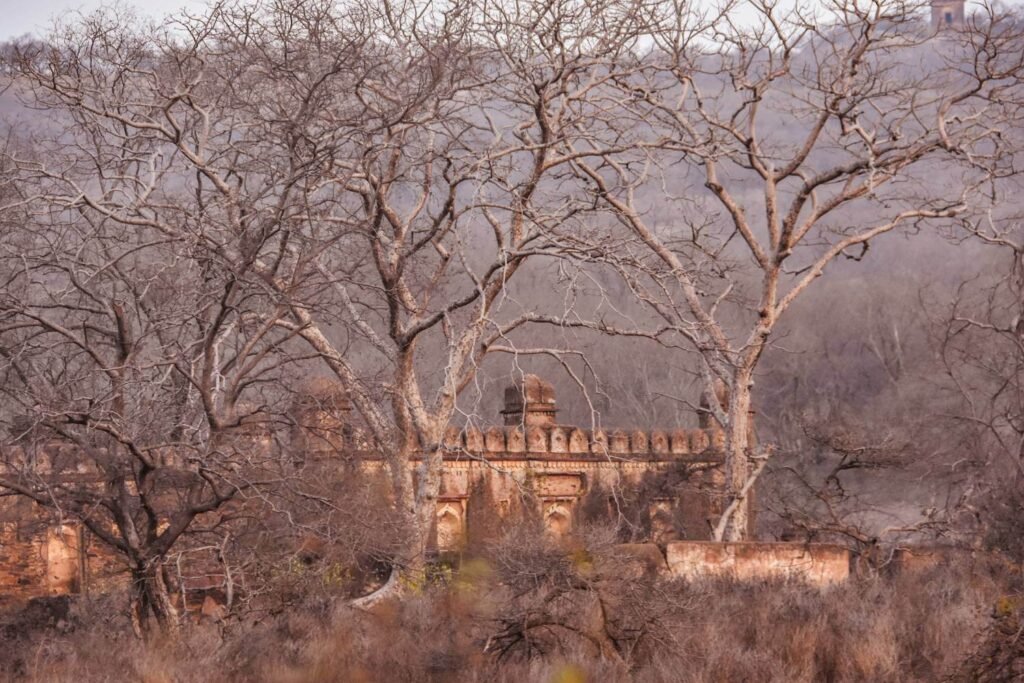
The human history of Ranthambore runs parallel to its natural landscape. For centuries, Rajput sovereigns, Delhi sultans, and Jaipur Maharajas controlled these valleys, leaving behind fortifications and monuments that nature has slowly reclaimed.
1. Ranthambore Fort
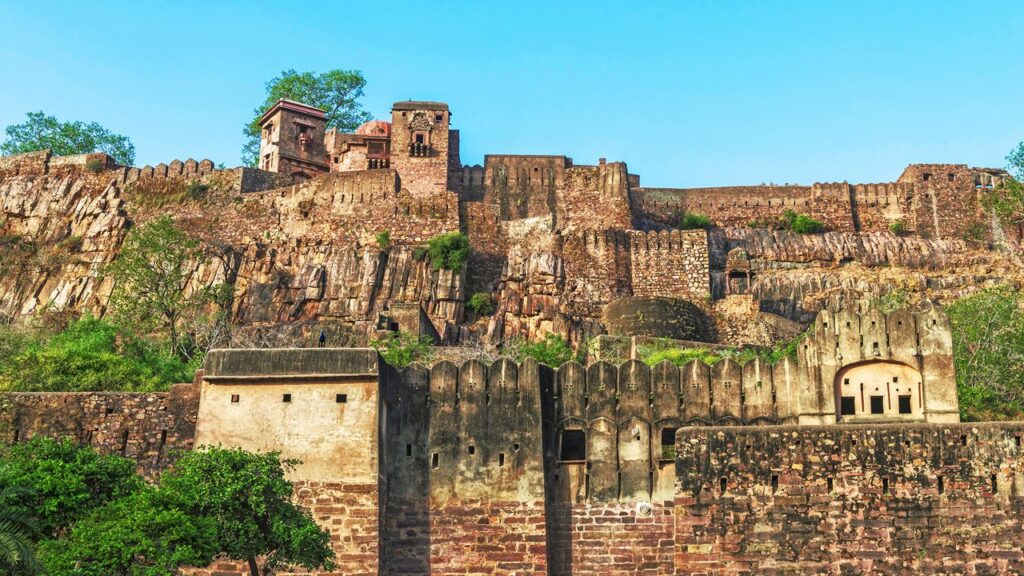
Perched atop a 213-meter-high cliff, the 10th-century Ranthambore Fort is a UNESCO World Heritage Site that dominates the surrounding forest canopy. Founded by Chauhan rulers, the citadel witnessed legendary sieges, including the historic resistance led by Rao Hammir Dev against Alauddin Khalji in 1301. Within its massive stone ramparts lie stepwells, cenotaphs (chhatris), barracks, and ancient shrines.
Exploring the fort’s stone ramparts is among the most rewarding things to do in Ranthambore. From its high bastions, visitors can look directly down over Padam Talao and the deep ravines where tigers occasionally stalk sambar deer.
2. Trinetra Ganesh Temple
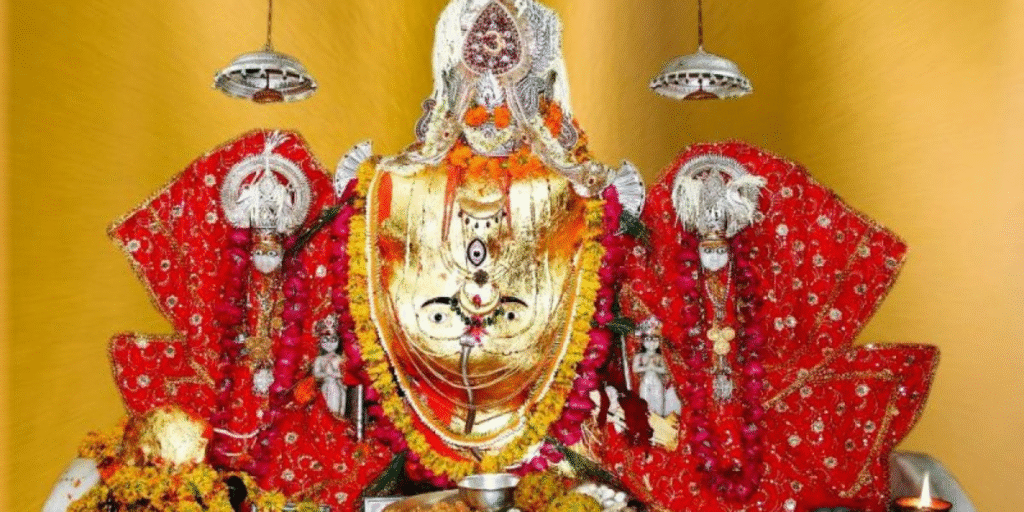
Located within the upper courtyard of Ranthambore Fort, the Trinetra (three-eyed) Ganesh Temple is among the oldest and most revered shrines in Rajasthan. Believed to have been consecrated during the rule of King Hammir, the idol depicts Lord Ganesha alongside his consorts, Riddhi and Siddhi, and his sons, Shubh and Labh.
Devotees from around the world post thousands of wedding invitations and prayer letters daily to this temple, trusting the deity will bring auspicious beginnings. The trek up to the shrine provides a vibrant cultural contrast to the silent jungle paths below.
3. Jogi Mahal and the Historic Banyan Tree
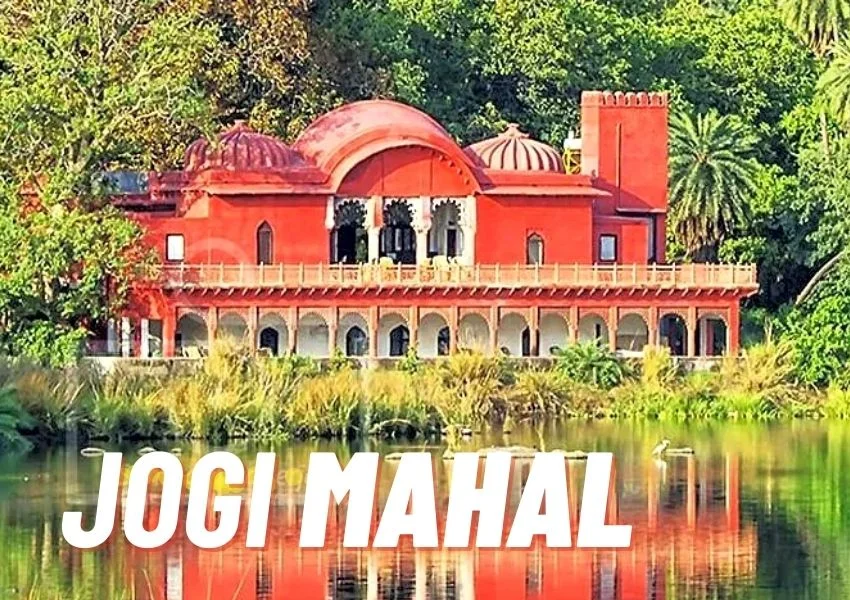
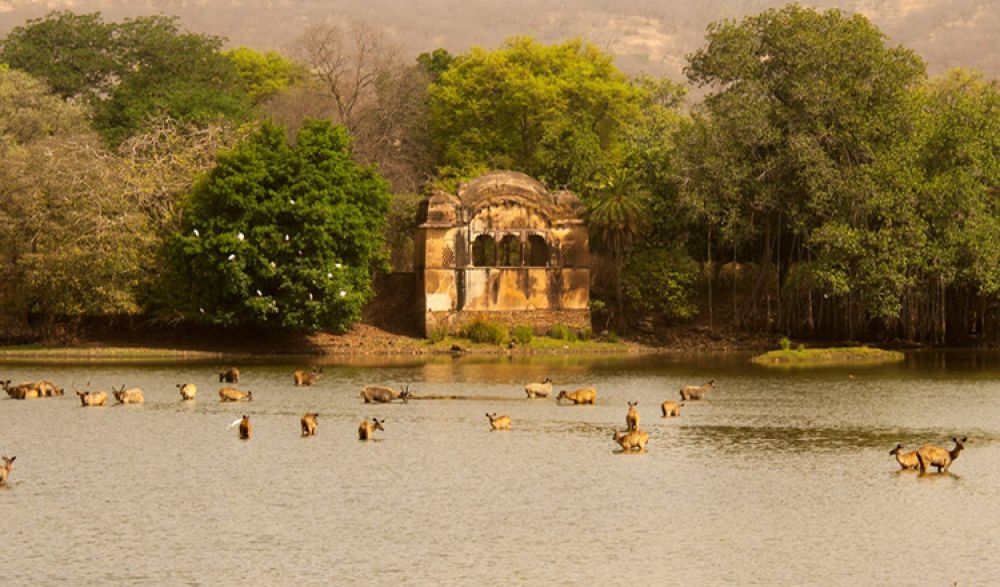
Resting on the serene banks of Padam Talao, Jogi Mahal was built as a royal hunting lodge by the Maharajas of Jaipur. With its red sandstone arches and lakeside terraces, it offers a stark visual reminder of the royal hunting expeditions that once preceded modern conservation.
Directly adjacent to the lodge stands an ancient banyan tree, celebrated as one of the largest in India. Its hanging roots and sprawling canopy create an atmospheric woodland sanctuary where marsh crocodiles and water birds linger in plain sight.
4. Raj Bagh Ruins
Scattered between Padam Talao and Raj Bagh Lake inside the national park’s core zones (Zones 3 and 4), the Raj Bagh Ruins are crumbling outhouses, archways, and pavilions that belonged to ancient hunting estates. Covered in moss and shaded by wild date palms, these structures form a dramatic setting where big cats often perch or sleep atop stone lintels.
Spectacular Natural Spots in the Wilderness
Beyond its stone forts, the wilderness here spans dry deciduous scrub, deep ravines, and scenic lakes. Spending unhurried time along these diverse biomes highlights the top places to visit in Ranthambore for naturalists.
Padam Talao and Malik Talao
Padam Talao is the largest lake in the reserve, named after the wild water lilies that blanket its surface during cooler months. It serves as a vital watering hole during the dry pre-monsoon heat, attracting herds of chital, marsh crocodiles, and wild boar. Malik Talao, a smaller body of water nearby, is equally vibrant and well known for sightings of Indian skimmers, kingfishers, and storks foraging in shallow bays.
Kachida Valley and Lakarda
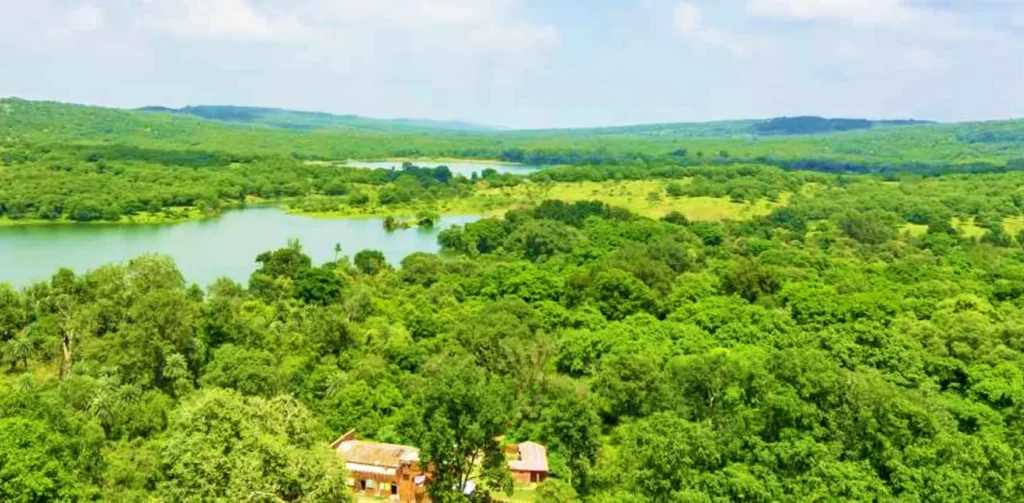
For a more secluded nature excursion, Kachida Valley is characterized by steep rocky outcrops and quiet water bodies. Because of its rugged terrain and abundant termite mounds, it is an ideal location to spot sloth bears and leopards that stay clear of tiger-heavy flatlands. Nearby, the Lakarda and Anantpura regions feature sparse undergrowth where rare Indian striped hyenas occasionally leave fresh tracks.
The Journey: Traveling from Sawai Madhopur to Ranthambore
Sawai Madhopur is the administrative hub and railway railhead serving the national park. Taking the drive from Sawai Madhopur to Ranthambore is swift and straightforward, with the distance between the main city railway station and the primary park gates measuring roughly 11 to 14 kilometers.
Along this short artery—often called Ranthambore Road—you will pass through local villages, farm fields, artisan craft workshops, and tranquil luxury resorts. Because the route from Sawai Madhopur to Ranthambore takes only 20 to 30 minutes by taxi, auto-rickshaw, or private transfer, visitors can comfortably base themselves near town while enjoying uninterrupted early morning excursions into the wild.
Heritage and Cultural Highlights Around Sawai Madhopur
Travelers often overlook the township itself, but there is plenty of history and open nature tucked beyond the main sanctuary boundary. Adding these local landmarks creates an immersive holiday while exploring the best tourist places in Sawai Madhopur.
- Rajiv Gandhi Regional Museum of Natural History: Situated at Ramsinghpura near town, this modern museum is an educational treasure. Featuring exhibits on the biodiversity of the Western Ghats, the Aravallis, and desert ecosystems, visiting here is among the finest educational things to do in Sawai Madhopur for families and researchers.
- Chauth Mata Temple (Chauth Ka Barwara): Sitting atop a steep hill roughly 25 kilometers from the town center, this temple is dedicated to the Goddess Chauth Mata, an avatar of Parvati. Climbing its flight of stone stairs rewards pilgrims with wide panoramic vistas of the Rajasthani countryside.
- Khandar Fort: Located roughly 40 kilometers outside the city center, Khandar Fort remains one of the most imposing yet under-visited tourist places in Sawai Madhopur. Built atop a sheer cliff, this Mewar stronghold was considered impregnable and houses ancient stepwells and Jain shrines within its walls.
- Surwal Lake: This seasonal, shallow freshwater lake dries up during extreme summers but turns into an aquatic paradise in winter and early spring. It serves as a peaceful birdwatching refuge where painted storks, bar-headed geese, and flamingos forage far away from safari engines.
- Dastkar Ranthambore: Established to empower local women and preserve indigenous artisan techniques, this craft center specializes in tie-and-dye bandhani fabrics, block printing, and pottery.
Curated Itinerary: Balancing Heritage and Nature
To make the most of your trip, divide your time between open jungle tracks, ancient hill forts, and serene local lakes.
| Day / Schedule | Highlights & Focus | Key Attractions |
| Day 1: Arrival & Local Heritage | Transition from Sawai Madhopur to Ranthambore and explore local heritage. | Rajiv Gandhi Regional Museum, Dastkar craft center, and local spice markets. |
| Day 2: Wilderness Safari & Royal Ruin | Wildlife tracking and natural landscapes. | Morning and evening safaris across Zones 1–5, Padam Talao, and Raj Bagh Ruins. |
| Day 3: Fort Trekking & Lake Serenity | Architecture and birding. | Ranthambore Fort, Trinetra Ganesh Temple, Jogi Mahal, and sunset at Surwal Lake. |

Must-Experience Activities in the Region
Crafting an unforgettable vacation means balancing active adventures with relaxing regional culture. The following curated list outlines top recommendations:
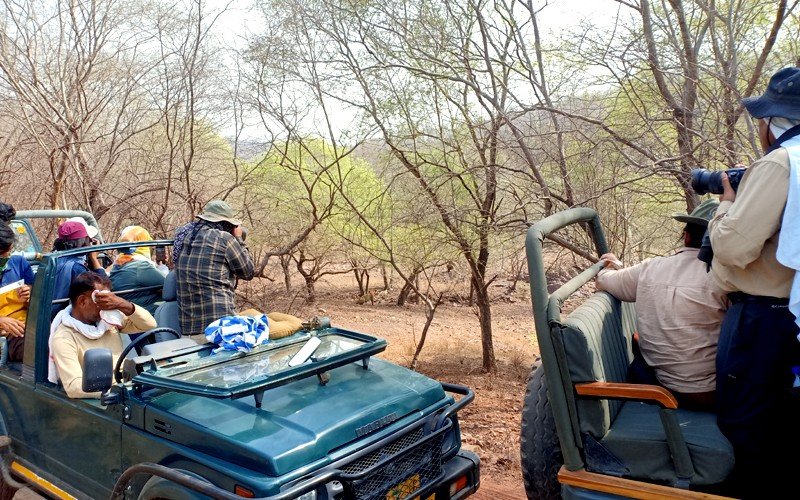
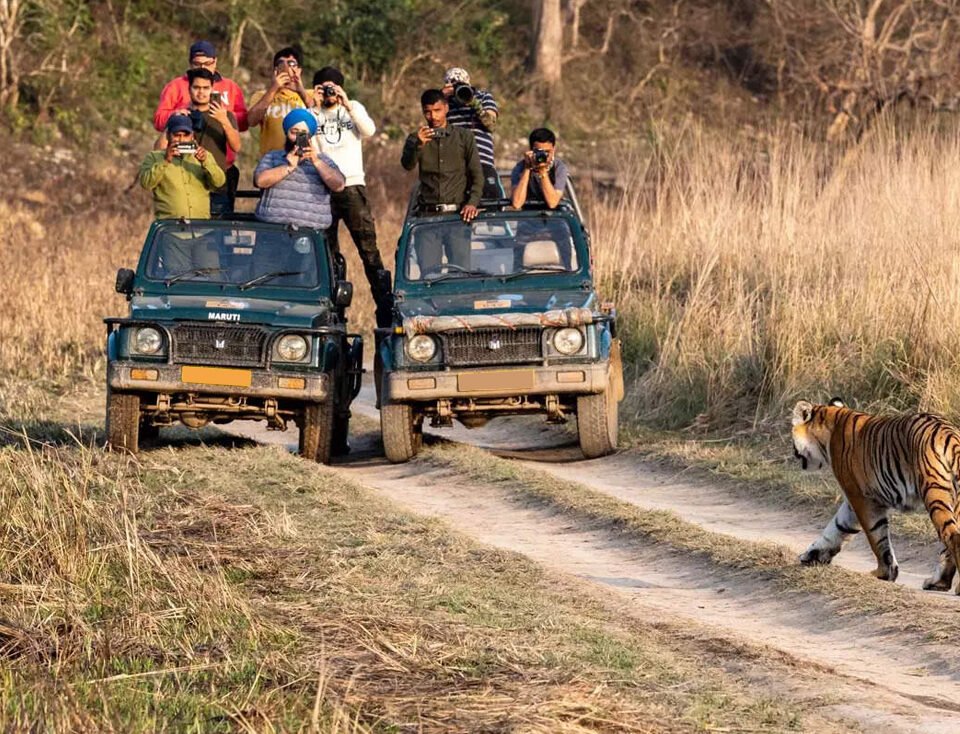
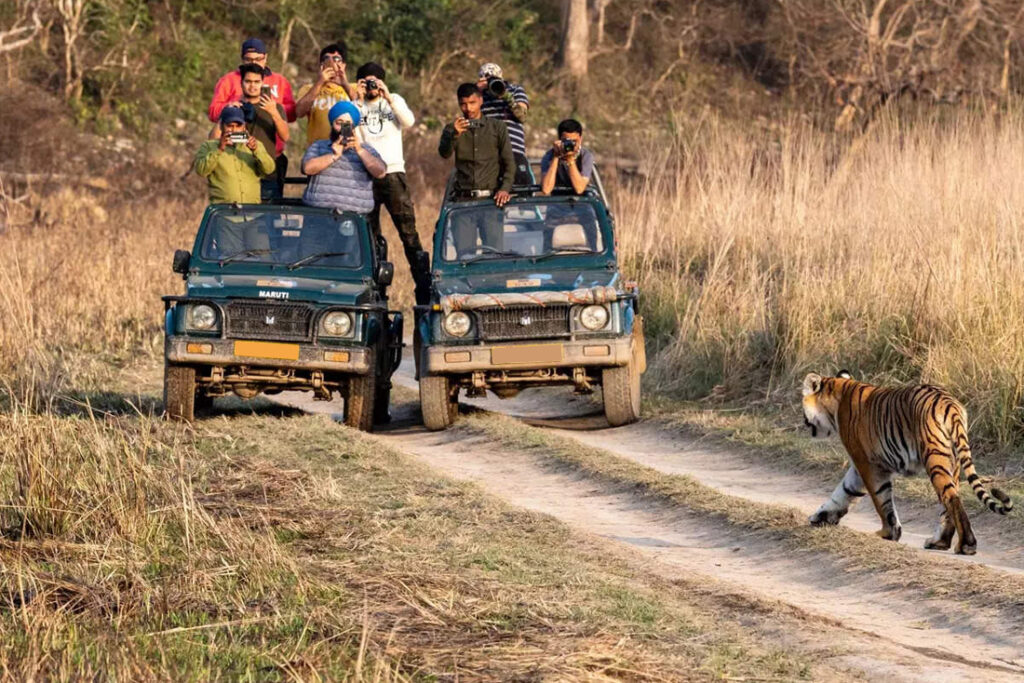
- Embark on a Guided Tiger Safari: Booking open-top 6-seater Gypsies or 20-seater Canters across the 10 safari zones remains the undisputed favorite among the things to do in Ranthambore.
- Photograph Historic Ruins: Capturing the play of early morning mist over the 10th-century ramparts and the Raj Bagh arches ranks among the most photogenic things to do in Ranthambore.
- Take a Nature Walk Around Surwal Lake: Watching winter migratory birds take flight in soft morning light is one of the most tranquil things to do in Sawai Madhopur.
- Discover Local Handicrafts: Spending an afternoon shopping for embroidered patchwork and hand-woven dhurries at Dastkar is one of the most culturally enriching things to do in Sawai Madhopur.
- Take an Excursion to the Chambal River: Just an hour’s drive south lies the National Chambal Sanctuary, where peaceful boat safaris let you see gharials, mugger crocodiles, and rare Gangetic dolphins.
Practical Travel Information
Best Time to Visit
The park is open annually from October 1 to June 30, closing during the monsoon season. The winter months from November to March bring crisp morning air, pleasant afternoons, and ideal conditions for birdwatching and fort exploration. While April to June can bring intense desert heat, these months offer the highest probability of spotting tigers as animals stay close to shrinking waterholes.
Reaching the Region
The journey is well supported by road and rail networks:
- By Train: Sawai Madhopur Junction is a major railway station connecting directly to Delhi, Mumbai, Jaipur, and Kota.
- By Air: The closest commercial airport is Jaipur International Airport (JAI), situated roughly 160 kilometers away. The taxi drive from Jaipur typically takes three to four hours.
- By Road: Excellent road networks connect the city with Agra, Jaipur, and Delhi via the Delhi–Mumbai Expressway.
When booking tours and safaris, remember to register well in advance through the official state forest department booking portals, as vehicular slots are strictly capped to minimize environmental impact. It is also wise to book your stay at a comfortable resort in Ranthambore early to secure easy access to the safari gates. Whether you are climbing the rugged battlements of Ranthambore Fort or watching mist lift off Padam Talao at sunrise, Ranthambore remains a rare destination where India’s regal past and natural wild beauty thrive together.