Gypsy or Canter? Choosing Your Ranthambore Safari

Ranthambore from Delhi: The Complete Wildlife Travel Guide
September 10, 2026
Ranthambore Tiger Safari Zones Explained: How to Choose the Best Zone for Sightings
October 14, 2026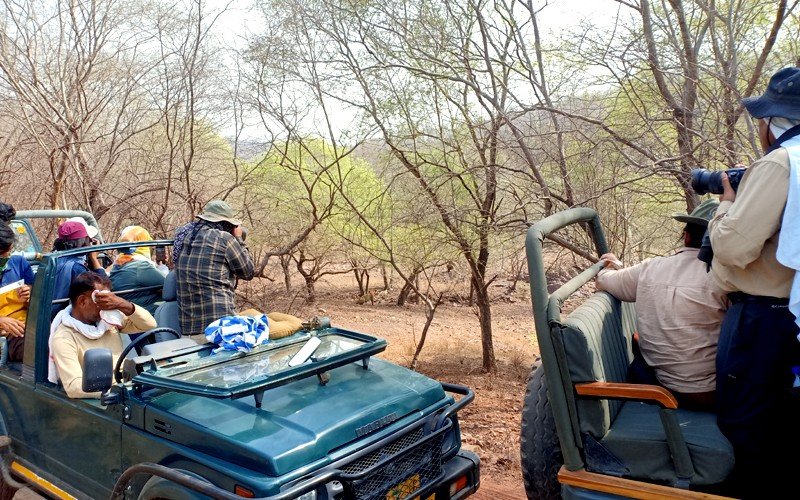
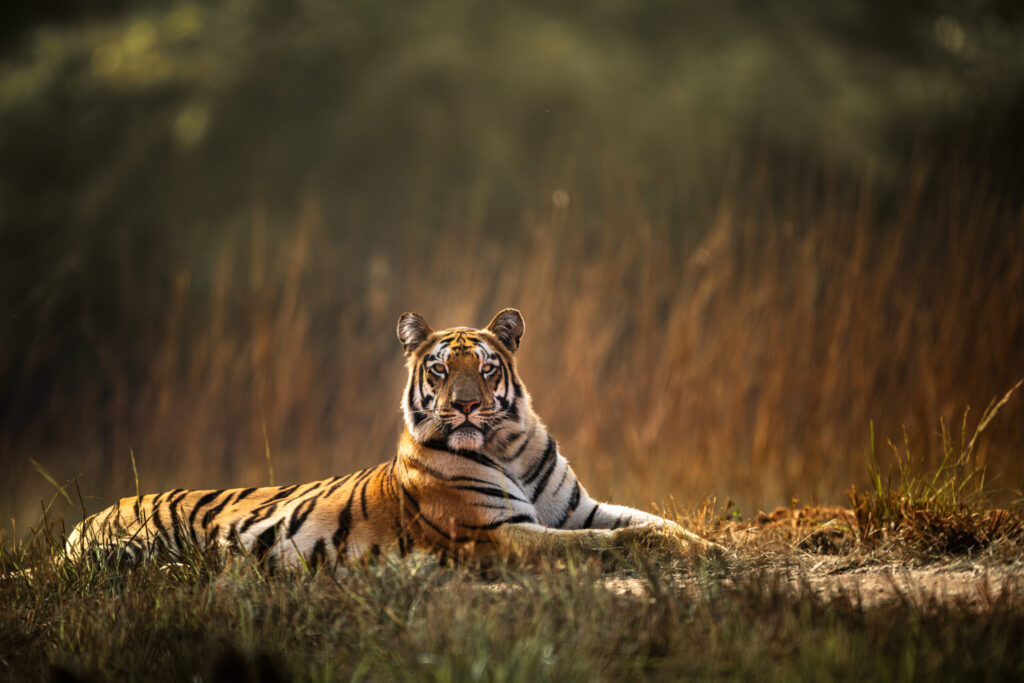
Planning an expedition to Ranthambore National Park is one of the most thrilling travel decisions any wildlife enthusiast can make. Nestled in the Sawai Madhopur district of Rajasthan, this iconic tiger reserve is celebrated worldwide for its dramatic landscapes, historic ruins, and healthy royal Bengal tiger population. However, once you decide to visit, the very first question that inevitably arises is vehicle selection: should you book a Gypsy safari or a Canter safari?
Choosing between a 6-seater open-top 4×4 Maruti Gypsy and a 20-seater heavy-duty Canter bus can make a massive difference to your overall experience, comfort, wildlife photography, and budget. To help you plan the best Ranthambore safari, this in-depth guide offers an exhaustive Canter vs Gypsy safari breakdown, explores the park’s safari zones, and reveals insider tips for maximizing your sightings.
Understanding Safari Vehicles: Gypsy vs Canter
The Rajasthan Forest Department strictly regulates vehicle entry into Ranthambore to minimize disturbance to wildlife. Only two types of authorized tourist vehicles enter the core and buffer zones:
What Is a Gypsy Safari?
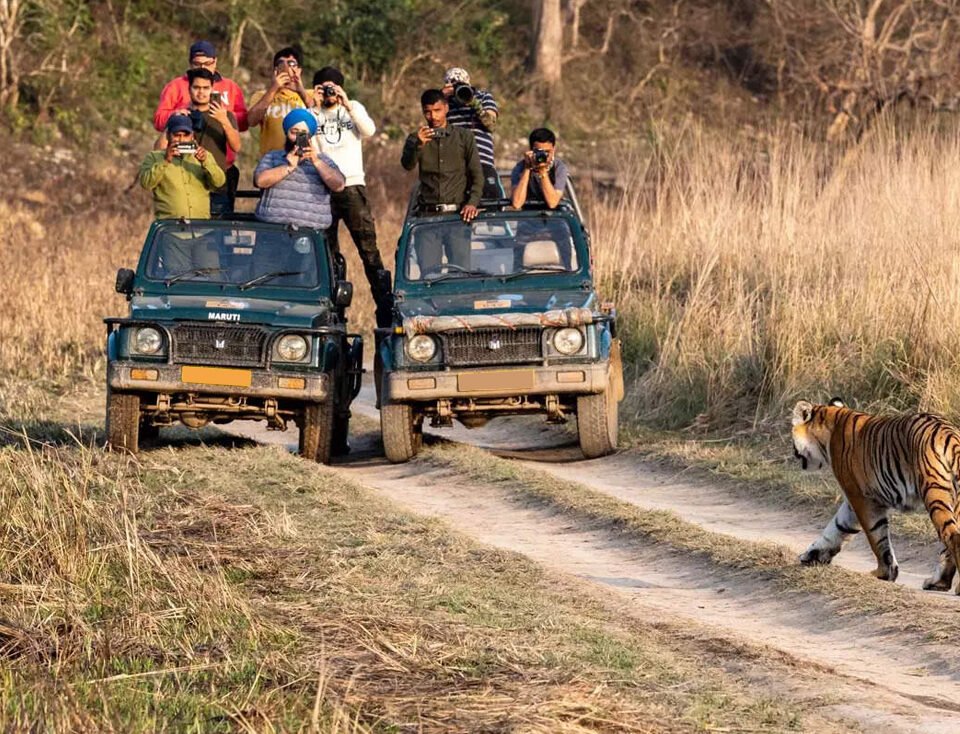
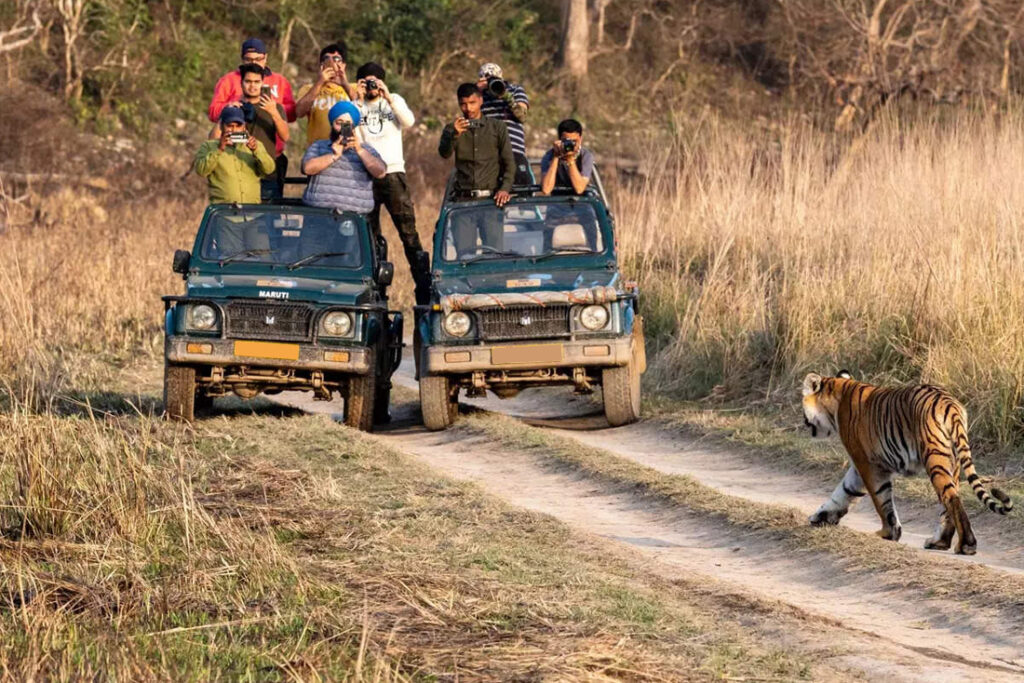
A Gypsy is an open-top, four-wheel-drive (4×4) vehicle capable of carrying up to 6 tourists, along with an authorized nature guide and a designated forest driver. Because of its compact frame, high clearance, and nimble maneuvering, a Gypsy safari is widely considered the gold standard for dedicated wildlife photographers, families seeking privacy, and visitors looking for an agile, personalized journey into the jungle.
What Is a Canter Safari?
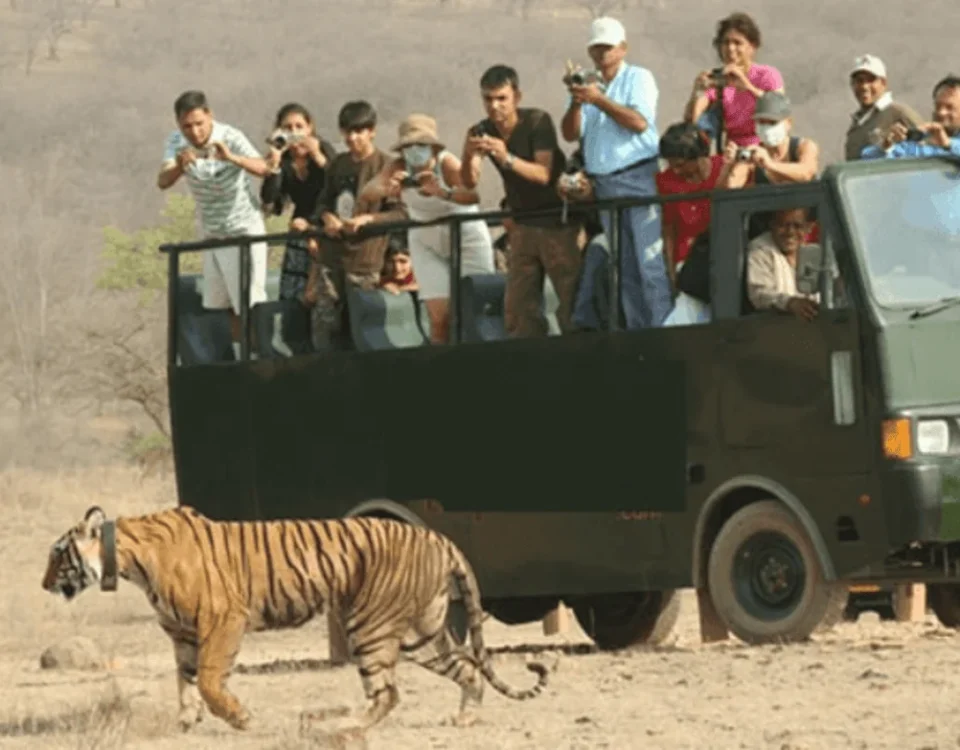
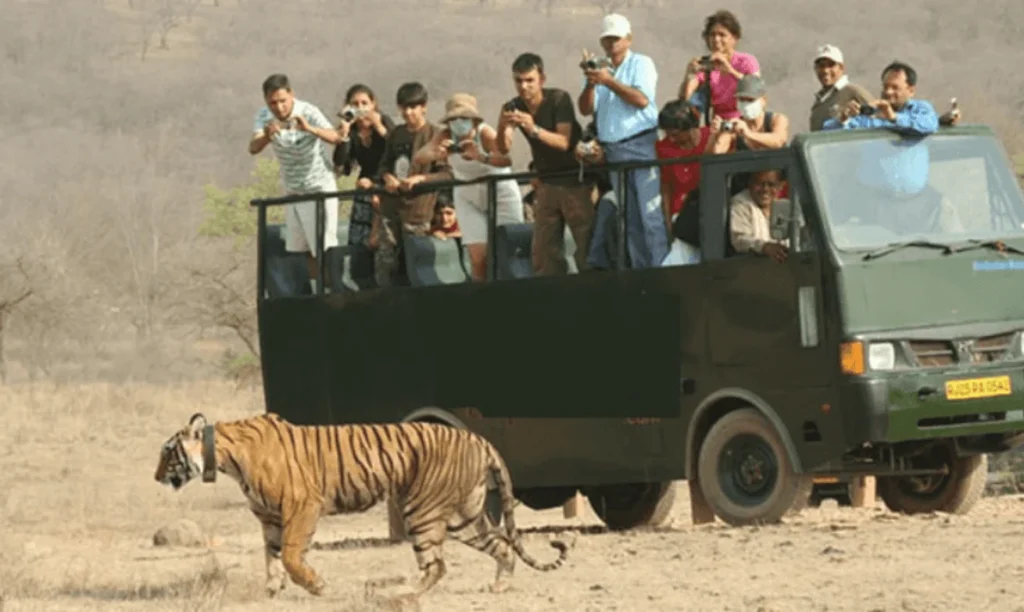
A Canter is a specially modified, open-topped mini-bus designed to seat 20 passengers, plus a forest guide and driver. Known for its elevated seating height, a Canter safari offers an expansive, panoramic vantage point across tall grasslands and thick ravines. It is an economical, community-friendly vehicle ideal for solo travelers, budget-conscious backpackers, large family reunions, and school or corporate groups.
Detailed Comparison: Canter vs Gypsy Safari
To determine the best Ranthambore safari for your specific travel needs, let us examine the critical parameters in the Canter vs gypsy safari debate:
| Feature | Gypsy Safari | Canter Safari |
| Seating Capacity | 6 passengers | 20 passengers |
| Drive System | Compact 4×4 (High agility) | Heavy-duty commercial chassis |
| Vantage Point | Low, eye-level with wildlife | Elevated, wide panoramic view |
| Maneuverability | Sharp turns, narrow tracks, rapid positioning | Wide turning radius, main trail focus |
| Noise & Vibration | Relatively quiet and smoother ride | Louder diesel engine, rougher on bumps |
| Booking Availability | Limited seats; fills months in advance | Higher capacity; easier last-minute availability |
| Cost | Premium pricing per seat / private charter | Budget-friendly pricing per seat |
1. Maneuverability and Off-Road Capability
Forest trails in Ranthambore wind through rocky riverbeds, steep inclines, and dense dhok forests. In this aspect of Canter vs gypsy safari, the 4×4 Gypsy easily negotiates sharp switchbacks, steep climbs, and narrow jungle paths. If an animal moves behind a cluster of trees, a Gypsy can reverse or reposition quickly. A Canter, due to its sheer size, requires a wide turning radius and must remain primarily on wider jungle paths.
2. Photography and Wildlife Angles
For serious wildlife photographers, a Gypsy safari is almost indispensable. The low ground clearance allows photographers to capture subjects at eye level, which produces intimate portraits and clean, blurred backgrounds. Furthermore, fitting beanbags or clamps on the vehicle frame is straightforward.
Conversely, a Canter safari elevates passengers nearly 8 to 10 feet above ground level. While this vantage point is great for scanning open clearings or looking over tall elephant grass, shooting downward at a resting tiger often produces steep angles rather than dramatic, eye-level wildlife portraits.
3. Engine Noise, Group Dynamics, and Ambience
A quiet environment is essential for hearing alarm calls from spotted deer, sambar, and langurs—the vital acoustic clues guides rely on to track big cats. In a Gypsy safari, keeping a small group of 6 people completely silent is relatively simple. In a Canter safari, managing 20 excited passengers—some of whom might be first-time safari-goers or restless children—can sometimes create background chatter and shuffle that alerts cautious wildlife.
4. Booking Flexibility and Pricing
Cost and availability often settle the Canter vs Gypsy safari dilemma. Because there are fewer Gypsys permitted per shift, seats book out months ahead, particularly for peak winter and summer dates. A Canter safari offers a more accessible ticket price and a significantly higher volume of available seats, making it the top option for travelers booking on short notice or keeping travel expenses economical.
Overview of Ranthambore Safari Zones
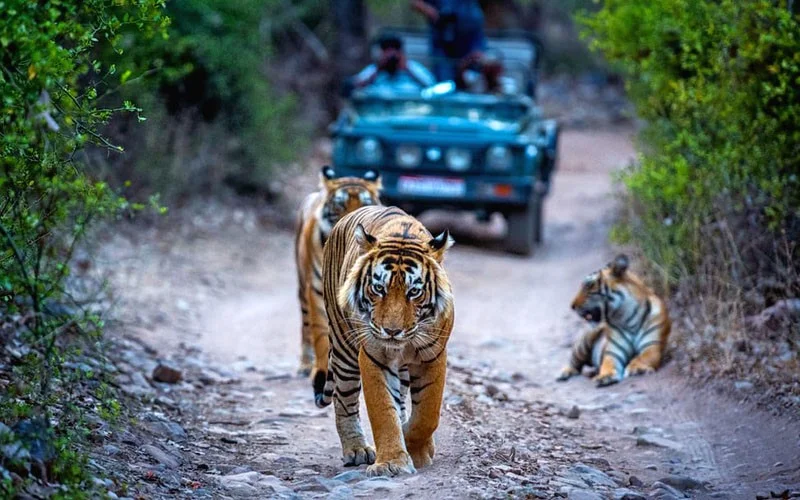
Ranthambore National Park is divided into 10 Ranthambore safari zones. Both vehicles are allotted randomly across these zones by the forest computerized system, ensuring equal dispersion across the tiger reserve.
Core Zones (Zones 1 to 5)
These are the park’s original, historical safari tracks and represent some of the most sought-after routes for any best Ranthambore safari experience.
- Zone 1: Characterized by water bodies like Singhdwar and Sultanpur. Known for regular sightings of resident big cats and rich birdlife.
- Zone 2: Features water points like Jogi Mahal, Phuta Kot, and Nal Ghati. Dense vegetation and watering holes provide excellent habitats for tigers and leopards.
- Zone 3: Famous for Padam Talao, Raj Bagh Talao, and Malik Talao, with the ancient Ranthambore Fort framing the horizon. It offers quintessential tiger-in-the-lake imagery.
- Zone 4: A picturesque zone home to scenic water reservoirs like Tamakhan, Malik Talao, and Lakkad Da. It has historically been a stronghold for prominent tigresses.
- Zone 5: Shares trails with Zone 4 at entry, moving toward Kachida Valley, Jokha, and Dhakda. Known for varied terrain and solid leopard sightings in rocky outcrops.
Note for vehicle choice: Zones 1 through 5 feature several narrow ascents and lakeside tracks where a Gypsy safari maneuvers with greater ease, although Canters operate along all primary arteries in these zones.
Outer and Buffer Zones (Zones 6 to 10)
Opened to reduce tourist density in the core area, these hilly zones offer rugged landscapes and thriving wildlife:
- Zone 6 (Kala Pani): Adjoins the old core area, featuring open grasslands, rolling hillocks, and prominent water points like Soleshwar.
- Zone 7 (Chidikho): Characterized by high plateaus, deep ravines, and scenic cliff landscapes.
- Zone 8 (Balas): Known for rocky ridges and scrub forests, providing excellent habitat for leopards, sloth bears, and caracals.
- Zone 9 (Qual Ji): Located along the banks of the Chabal River basin, it is great for bird watching, sloth bears, and aquatic fauna.
- Zone 10 (Aantri): Features serene hill tracks, picturesque water bodies, and thick foliage where tigers frequently cross between reserve corridors.
Note for vehicle choice: The steeper inclines of Zones 6, 7, and 8 are easily handled by both vehicles, but a Canter safari provides sweeping vistas across these expansive valleys.
Which Vehicle Offers the Best Ranthambore Safari Experience?
When weighing Canter vs gypsy safari, your decision comes down to your personal priorities:
Choose a Gypsy Safari If:
- You are an avid photographer or birder: The low-angle perspective and room to mount telephoto lenses are unmatched.
- You value silence and exclusivity: Smaller groups allow everyone to focus quietly on the sounds of the jungle.
- You want agility: Getting into position before an animal walks across the road is noticeably faster in a 4×4.
- You are planning your trip 60 to 90 days in advance: This guarantees you secure a confirmed seat or a full private vehicle.
Choose a Canter Safari if:
- You are traveling on a budget: It costs roughly half the price of a shared Gypsy seat.
- You are booking at the last minute: Canter seats remain available long after Gypsy quotas are exhausted.
- You are traveling with a large group: Keeping 15 to 20 family members or colleagues together in one vehicle enhances camaraderie.
- You want an elevated vantage point: Looking down into tall grass and thick scrub can make spotted wildlife easier to see from afar.
Practical Tips to Plan the Best Ranthambore Safari
To get the absolute most out of your jungle drives, keep the following travel tips in mind:
- Book Multiple Drives: Wildlife sightings are never guaranteed on a single outing. To maximize your chances, book at least 3 to 4 drives across different zones and timings.
- Mix Your Vehicles: If Gypsy seats are sold out for one of your slots, do not hesitate to book a Canter safari for the morning and a Gypsy safari for the afternoon. A tiger sighting from a Canter is just as exhilarating as one from a 4×4.
- Layer Your Clothing: Morning safaris in winter (November to February) are freezing during the open-air drive, while afternoons can get warm. Dress in comfortable, neutral-colored layers (olive, khaki, brown, and beige) and avoid bright neon shades.
- Carry Identity Proof: The original government ID entered during your online reservation must be presented at the forest entry checkpoint prior to boarding.
- Trust Your Guide and Driver: Sightings require patience, tracking skill, and a deep understanding of animal behavior. Allow your tracking team to interpret pugmarks, listening carefully for warning calls instead of rushing from zone to zone.
Whether you board a nimble 4×4 or an elevated open-top bus, entering the domain of the royal Bengal tiger remains an unforgettable adventure. Assess your budget, group size, and photography goals, secure your permits early, and book your stay at the best resort in Ranthambore to unwind in comfort after an incredible journey into the untamed wilderness.