Ranthambore: Why This Tiger Reserve Is So Famous

How to Plan a Wildlife-Packed 2-Day Journey in Ranthambore
November 24, 2025
Best Things to Do in Sawai Madhopur: Safari, Forts & More
January 14, 2026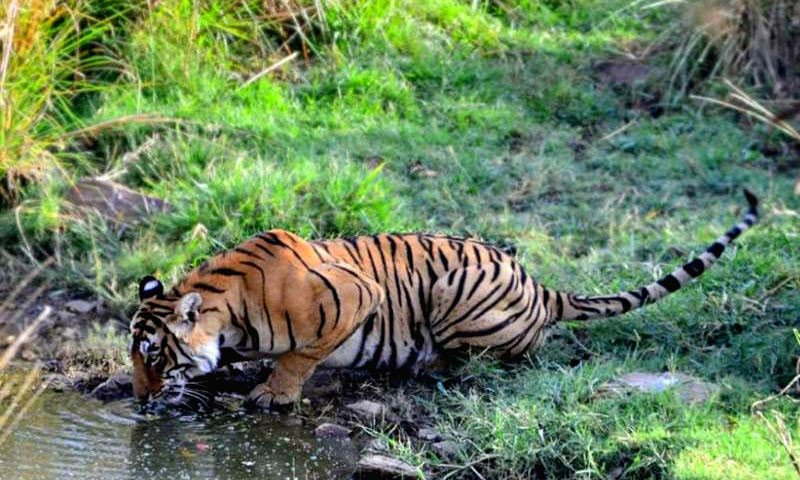
Nestled in the rugged terrains of southeastern Rajasthan, Ranthambore Tiger Reserve is one of India’s most famous tiger reserves and a paradise for wildlife enthusiasts, photographers, and nature lovers. Known for its majestic Royal Bengal Tigers, this reserve offers a perfect blend of natural beauty, rich history, and thrilling adventure. But what makes Ranthambore famous across the world isn’t just its tiger sightings — it’s the magical combination of nature, heritage, and conservation success.
The Pride of Rajasthan: Ranthambore Tiger Reserve
Located near the town of Sawai Madhopur, about 180 kilometres from Jaipur, Ranthambore Tiger Reserve covers an area of approximately 1,334 square kilometres. Established as a wildlife sanctuary in 1955 and declared one of India’s Project Tiger reserves in 1973, Ranthambore today stands as a shining example of successful wildlife conservation.
The reserve gets its name from the historic Ranthambore Fort, which lies within its boundaries — a UNESCO World Heritage Site that adds a royal charm to the wilderness. This unique fusion of history and wildlife makes Ranthambore famous not only among conservationists but also among travellers seeking a taste of India’s wild and regal past. For those planning a short getaway, the Ranthambore 02 Night 3 Days package is a perfect choice to explore the park’s majestic tigers, ancient fort, and scenic landscapes while enjoying comfortable stays and guided safaris.
Why Is Ranthambore So Famous?
Ranthambore’s fame stems from several factors that make it stand out among India’s many wildlife destinations. Here are the primary reasons why Ranthambore Tiger Reserve has earned its iconic status.
1. High Probability of Tiger Sightings
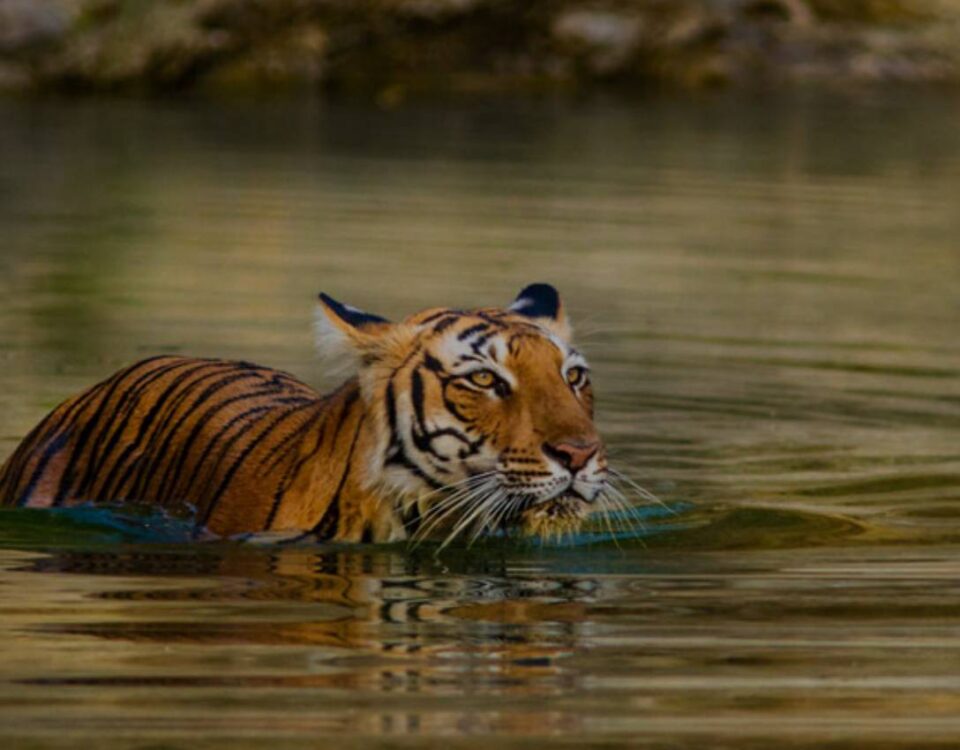
Unlike many other reserves in India, Ranthambore offers visitors one of the highest chances of spotting a tiger in the wild. The tigers here are known for their boldness and familiarity with human presence, often seen basking in the sun or strolling near water bodies during safaris. Many famous tigers from Ranthambore—such as Machhli, Arrowhead, and T-24—have become legendary figures, their stories told by guides and wildlife lovers alike.
2. A Blend of History and Nature
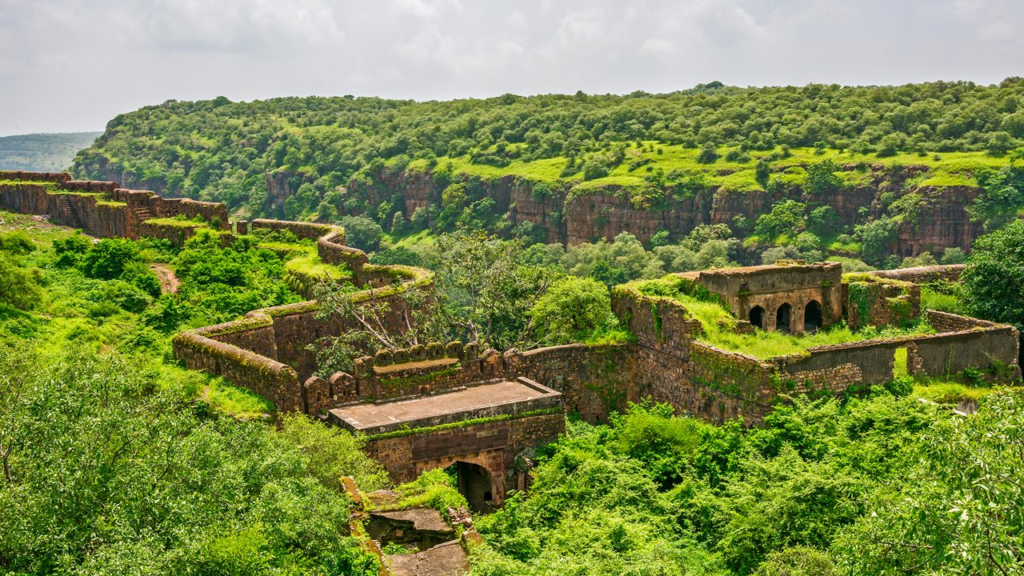
At the heart of the reserve lies the Ranthambore Fort, an ancient structure dating back to the 10th century. This fort, standing atop a rocky cliff, provides panoramic views of the surrounding forest. The combination of crumbling walls, moss-covered temples, and wild landscapes creates an atmosphere unlike anywhere else in the world. It’s one of the most famous places in Ranthambore, attracting not only wildlife enthusiasts but also history buffs.
3. Varied Terrain and Scenic Beauty
The landscape of Ranthambore is breathtaking — a mosaic of dry deciduous forests, open grasslands, lakes, and rugged cliffs. The Padam Talao, Raj Bagh Talao, and Malik Talao are serene lakes that reflect the beauty of the surrounding hills and often serve as resting spots for tigers, leopards, and crocodiles. The picturesque setting has made Ranthambore one of the most famous tiger reserves in India for photography and filmmaking.
4. Rich Biodiversity
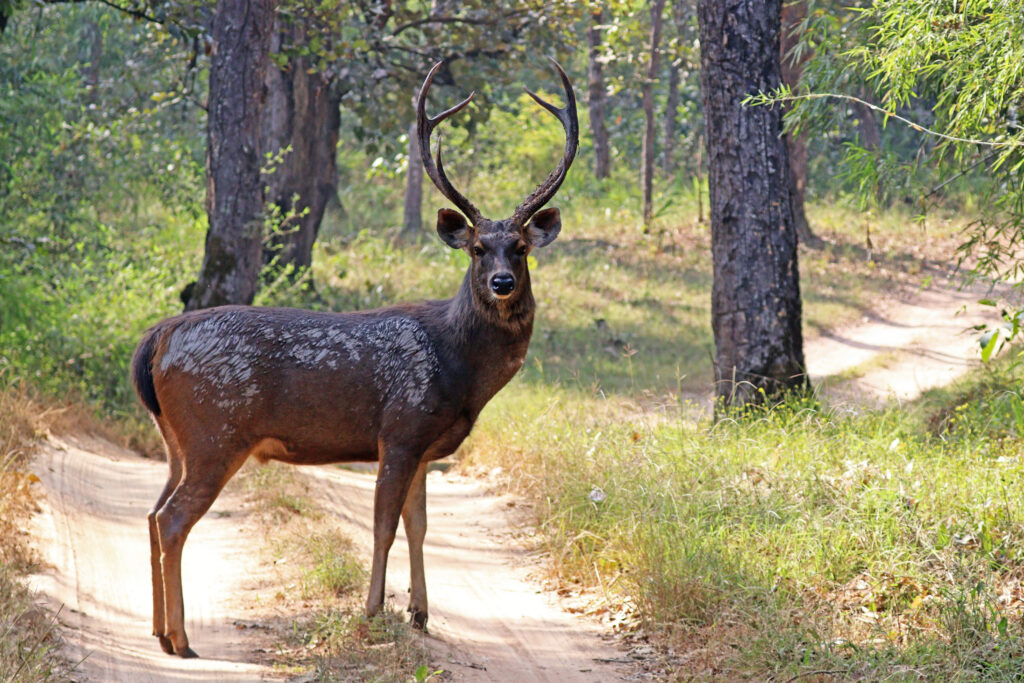
Ranthambore isn’t just about tigers. The reserve is home to a wide variety of wildlife, including leopards, sloth bears, wild boars, sambar deer, spotted deer, nilgai, and langurs. Over 300 species of birds have been recorded here, making it a haven for bird watchers. The combination of fauna and flora diversity enhances the park’s ecological importance, making it an integral part of India’s conservation network.
History of Ranthambore: From Royal Hunting Ground to Tiger Haven
Long before it became a national treasure, Ranthambore served as the hunting ground of the Maharajas of Jaipur. Royal hunts were once conducted here, and many British officers were invited to witness the grandeur of tiger hunting in the early 20th century. However, as tiger numbers dwindled across India, Ranthambore’s royal status transformed into a sanctuary for conservation.
In 1973, when the Government of India launched Project Tiger, Ranthambore was among the first nine reserves selected. Since then, conservation efforts, anti-poaching measures, and community involvement have brought the tiger population back from the brink of extinction. Today, it is one of the most successful tiger conservation stories in the world.
Ranthambore Safari Experience
The Ranthambore Tiger Reserve safari is the highlight of every visitor’s journey. Conducted in open-top Gipsies and Canters, the safari allows travellers to explore different zones of the park. Each zone offers a unique experience — some filled with dense forest cover, while others open into wide grasslands where animals roam freely.
Safari Timings: Safaris are conducted twice daily — once in the early morning and again in the late afternoon.
Best Zones for Tiger Sightings: Zones 2, 3, and 4 are considered the best for tiger spotting.
Best Time to Visit: The park is open from October to June, but the winter months (November to February) offer the most comfortable climate and stunning photographic opportunities.
Every safari in Ranthambore feels like stepping into a living documentary. The sound of rustling leaves, the distant alarm call of deer, and the thrill of a tiger’s sudden appearance create an unforgettable adventure that makes Ranthambore famous worldwide.
Ranthambore: Famous Places to Visit
While the Ranthambore Tiger Reserve itself is the main attraction, there are several famous places in Ranthambore worth exploring to complete your trip.
1. Ranthambore Fort
Perched atop a hill inside the reserve, this 10th-century fort offers breathtaking views of the surrounding jungle. Within its walls lie ancient temples dedicated to Lord Shiva and Ganesha. The fort is one of the most famous tourist spots in Ranthambore and is recognised as part of the UNESCO World Heritage Site group under “Hill Forts of Rajasthan”.
2. Trinetra Ganesh Temple
Located inside the fort, this temple is dedicated to Lord Ganesha and is believed to be one of the oldest Ganesha temples in India. Pilgrims visit from across the country, and offerings are made daily in envelopes carrying visitors’ wishes.
3. Padam Talao and Jogi Mahal
The Padam Talao is the largest lake in Ranthambore, often graced by sambar deer and birds. Near its banks lies the Jogi Mahal, a historic red-sandstone guesthouse once used by royalty. The setting is so picturesque that it feels like a scene from a royal dream.
4. Raj Bagh Ruins
Scattered throughout the park, these ancient ruins of arches, domes, and palace remains evoke the grandeur of the bygone Rajput era. They add a mysterious charm to the jungle landscape.
5. Surwal Lake
Located a few kilometres outside the park, this lake is a seasonal wetland that attracts migratory birds in winter. It’s a must-visit for birdwatchers and photographers.

Why Ranthambore Is a Must-Visit Destination
Ranthambore is more than just a famous tiger reserve—it’s a place where nature and history coexist in perfect harmony. Whether you’re a wildlife photographer chasing the perfect shot, a family seeking a thrilling adventure, or a traveller looking for peace amidst nature, Ranthambore offers something for everyone.
Key Reasons to Visit Ranthambore:
- Witness tigers in their natural habitat.
- Explore ancient forts and temples within the jungle.
- Experience one of India’s most scenic landscapes.
- Learn about India’s conservation success stories.
- Enjoy a peaceful retreat away from urban chaos.
Best Time to Visit Ranthambore
October to March: Ideal for pleasant weather and comfortable safaris.
April to June: Best for tiger sightings, as animals gather near water sources.
Monsoon (July to September): The park remains closed for breeding and rejuvenation of the forest.
How to Reach Ranthambore
By Air: The nearest airport is Jaipur International Airport (180 km).
By Rail: Sawai Madhopur Railway Station, just 10 km away, connects to major cities like Delhi, Mumbai, and Jaipur.
By Road: Well-connected via NH-52 and NH-552, with good road networks for private cars and buses.
Where to Stay in Ranthambore
Ranthambore offers accommodation options for every budget—from luxury jungle lodges to eco-friendly resorts and budget hotels. Popular options include The Oberoi Vanyavilas, Aman-i-Khas, and Ranthambore Regency. Many resorts organise private safaris, nature walks, and local cultural experiences.
Conclusion: Ranthambore’s Enduring Legacy
Ranthambore is more than a destination—it’s a living testament to India’s enduring commitment to wildlife conservation. Its fame lies not only in its tigers but in its spirit — a blend of wilderness, history, and human dedication. Whether you explore the famous tiger reserve for its regal predators or its ancient ruins, Ranthambore’s famous places promise memories that linger long after you’ve left.
For travellers seeking comfort amidst the wild, staying at the best resort in Ranthambore adds a touch of luxury to this thrilling adventure. Many of these resorts offer serene views of the forest, guided safaris, and authentic Rajasthani hospitality, making your visit to the tiger reserve even more unforgettable.
In every sunrise over the Ranthambore hills, in every rustle of the dry leaves, lies the untamed heartbeat of India’s wild soul. And that’s exactly why Ranthambore is so famous—it captures the essence of nature’s raw beauty and the majesty of the tiger like nowhere else on Earth.