Ranthambore Tiger Safari Zones Explained: How to Choose the Best Zone for Sightings

Gypsy or Canter? Choosing Your Ranthambore Safari
September 28, 2026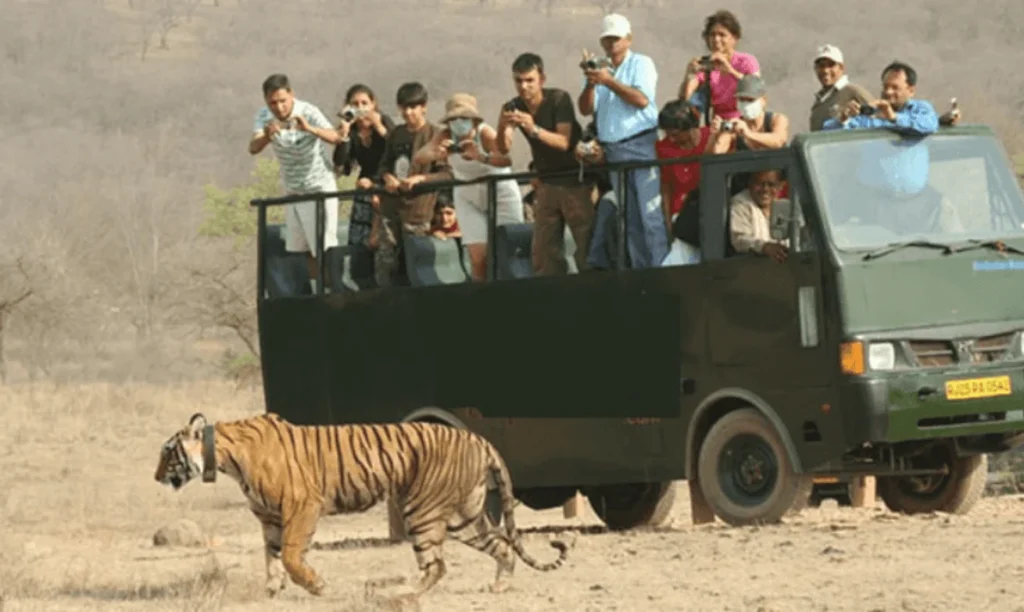
If witnessing a wild Royal Bengal tiger in its natural habitat is on your bucket list, Northern India offers one of the most thrilling wildlife experiences on Earth. Located in the Sawai Madhopur district of southeastern Rajasthan, Ranthambore National Park is a premier destination for wildlife enthusiasts, nature lovers, and photographers from around the globe.
Once the private, royal hunting grounds of the Maharajas of Jaipur, this expansive dry deciduous forest was established as the Sawai Madhopur Game Sanctuary in 1955. In 1973, it was declared one of India’s flagship Project Tiger reserves, and by November 1980, it officially became a national park. Today, because of its proximity to Delhi, Agra, and Jaipur, adding a Ranthambore tiger safari to an itinerary along India’s famous Golden Triangle route is both seamless and rewarding.
However, many travelers arrive at the park gates without realizing a critical logistical detail: the park is strictly divided into multiple distinct sectors, and the specific Ranthambore Tiger Safari Zones assigned to your vehicle can make or break your entire wildlife experience. Without prior planning, it is entirely possible to go on multiple drives in peripheral sectors and come away with zero sightings, while guests in neighboring zones watch a tiger lounge effortlessly right beside their jeep.
This comprehensive guide breaks down everything you need to know about the Ranthambore Tiger Safari Zones, how the park’s booking and allocation systems work, the logistics of planning your drives, and how to choose the best sector to maximize your chances of spotting the majestic big cats.
Read More – Places to Visit in Ranthambore
Understanding the Safari Zones in Ranthambore
To manage tourist traffic, protect the fragile ecosystem, and minimize disturbances to the wildlife, the Forest Department has divided the park into 10 distinct safari routes, numbered Zone 1 through Zone 10. When you book a tiger safari in Ranthambore, your vehicle is assigned to one specific Ranthambore Tiger Safari Zone for the duration of that three-hour drive. Drivers and guides are strictly prohibited from crossing out of their assigned zone into another, even if a tiger is spotted just across the boundary.
Originally, the park operated with only five core zones (Zones 1 to 5). As the tiger population grew and tourist demand surged, the park expanded to include Zones 6 through 10, which encompass the buffer areas and surrounding forest blocks. Today, more than 60 wild tigers roam the reserve, establishing territories that often overlap across these invisible human-made boundaries.
Understanding the distinction between the core safari zones in Ranthambore and the buffer zones is the first step in planning a successful expedition.
The Core “Premium” Zones (Zones 1 to 6)
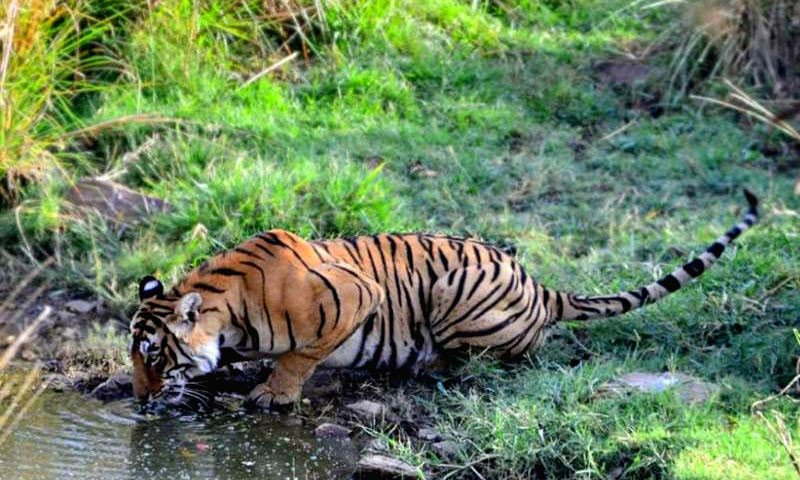
When seasoned wildlife photographers and safari veterans talk about booking a Ranthambore tiger safari, they are almost always aiming for Zones 1 through 6. Situated in the historic heart of the park (with Zone 6 covering the scenic Kundal area just outside the main gate), these are widely considered the premium zones.
Why are they so sought after? It comes down to two major factors: habitat and visibility. The core zones feature a dense concentration of perennial waterholes, sprawling lakes, open grasslands, and ancient crumbling ruins—prime territory for dominant tigers, especially during the warmer months when wildlife congregates near water. Furthermore, the tigers residing in Zones 1 to 5 have grown accustomed to the presence of safari vehicles over generations. As a result, they are far more relaxed around jeeps, often walking right down the middle of the forest tracks or resting in the open near the water’s edge.
If you are booking ahead of time, requesting Zone 1 or Zone 3 is one of the smartest moves you can make.
- Zone 1: Entered via the Singhdwar gate, Zone 1 is famous for its rugged terrain, steep cliffs, and key watering holes like Tuti Ka Nala and Sultanpur. It has historically hosted several legendary tigers and offers a classic, dramatic forest backdrop with consistently high sighting probabilities.
- Zone 2: Directly adjacent to Zone 1 and Zone 3, Zone 2 features broken hilly terrain, thick ravines, and crucial water points like Phuta Kot and Jogi Mahal. Because territories here overlap heavily with Zone 3, tigers frequently move between the two sectors, making Zone 2 a top-tier contender for sightings.
- Zone 3: Widely regarded as the crown jewel of Ranthambore, Zone 3 is both the most scenic and the most productive Ranthambore Tiger Safari Zones for photographers. Dominated by three picturesque lakes—Padam Talao, Rajbagh Talao, and Malik Talao—and overlooked by the towering Ranthambore Fort, this zone offers wide-open visibility. Tigers frequently come down to the lakeshores to cool off and hunt Sambar deer in the shallow waters, providing unobstructed views against the backdrop of ancient royal pavilions.
- Zone 4: Known for the Malik Talao area, Berda, and Lakarda, Zone 4 was once home to Ranthambore’s most famous matriarch, Machli. It features a mix of dense valleys and open plains, consistently supporting breeding tigresses and their cubs.
- Zone 5: Sharing several entry corridors with Zone 4, Zone 5 covers Kachida Valley, Anatpura, and Bagdah. It offers a blend of thick bamboo thickets, rocky outcrops, and shaded waterholes, making it a reliable hotspot for both tigers and elusive leopards.
- Zone 6: Unlike Zones 1 to 5, which sit within the rocky gorges around the fort, Zone 6 (Kundal) features an expansive, open landscape bordered by steep red cliffs and dry grazing lands. While the terrain looks different from the central lakes, tigers frequently patrol this area, and its open topography makes spotting wildlife from a distance much easier.
The Buffer and Outer Zones (Zones 7 to 10)
Zones 7, 8, 9, and 10 were introduced to alleviate congestion in the core park and provide safe corridors for sub-adult tigers pushing outward in search of new territories. While these zones in Ranthambore still hold resident tigers, the overall experience differs significantly from the core zones.
The terrain in Zones 7 and 8 (Chindi Rishi and Balas) is extremely hilly, dry, and rocky, with thicker undergrowth and steeper climbs. Because these sectors receive fewer tourists and have more rugged hiding spots, the tigers here tend to be shyer and move quickly into the brush upon hearing a vehicle. Zone 8, in particular, is notorious for having the lowest rate of tiger sightings in the park. Travelers who do not specify their preferred zones in advance often find themselves repeatedly assigned to Zone 8, leading to frustratingly quiet drives. If your primary goal is to see a tiger, it is best to avoid Zone 8 entirely if possible.
Zones 9 (Kuwalji) and 10 (Aantri) are located slightly further from the main core entry gates. While Zone 10 has seen strong sighting spikes whenever a resident tigress raises a litter of cubs there, and Zone 9 is fantastic for spotting sloth bears and caracals along the riverbanks, they remain secondary choices compared to the reliable visibility of Zones 1 through 5.
Ranking the Safari Zones by Sighting Probability
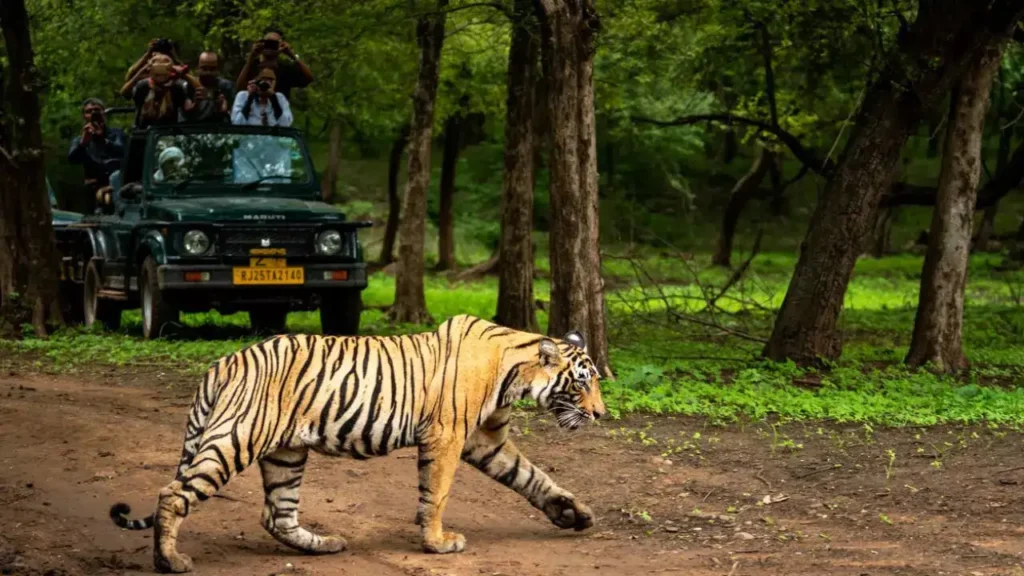
When deciding which Ranthambore Tiger Safari Zones to request for your upcoming trip, it helps to group the park’s sectors by their landscape features and historical sighting success:
- Top-Priority Core Sectors (Zones 1, 2, and 3): These three zones offer the highest probability of spotting a tiger in the open. Thanks to perennial lakes like Padam Talao and Rajbagh Talao, ancient royal ruins, and year-round waterholes, dominant tigers patrol these routes daily. The open visibility and how relaxed the tigers are around safari vehicles make these the undisputed best choices for wildlife photography.
- High-Performing Forest Sectors (Zones 4 and 5): Offering a slightly denser jungle feel with bamboo thickets, shaded valleys, and rocky ravines, Zones 4 and 5 have a high sighting probability. They serve as vital breeding territories where male and female tiger home ranges overlap, meaning patient trackers are frequently rewarded with close-range encounters.
- Open Buffer Core (Zone 6): With moderate-to-high sighting probabilities, Zone 6 stands out for its wide grazing meadows, scrubland, and dramatic red cliffside backdrops. Because the landscape is much flatter and more open than the central forest, guides can often spot movement from a long distance away, and it is also a premier sector for birdwatching.
- Quiet Outer Buffer Sectors (Zones 7, 9, and 10): Characterized by steep hills, dry riverbed corridors, and rugged boulders, these zones have a moderate probability for tiger sightings. While tigers here can be more elusive, the trails are much quieter and offer fantastic opportunities to spot sloth bears, leopards, and sub-adult tigers establishing new territories.
- Low-Visibility Sector (Zone 8): Covered in dense thorny scrub with steep rocky inclines and fewer open water bodies, Zone 8 consistently records the lowest visibility for tiger sightings. Unless all other permits are completely sold out, travelers prioritizing big cat sightings should avoid being scheduled into this zone.
How to Choose and Book the Best Zone for Your Safari
One of the biggest regrets first-time visitors share after completing a tiger safari in Ranthambore is failing to lock in their zone assignments ahead of time. If you book last-minute through a hotel desk or leave your bookings entirely up to a generic tour operator without requesting specific sectors, you run the risk of being placed in outer buffer zones like Zone 8 for every single drive.
Here is how to strategically plan your bookings:
1. Book Early and Request Specific Zones
Permits for the core safari zones in Ranthambore (especially Zones 1, 2, and 3) sell out months in advance during peak travel dates. As soon as your travel dates are set, clarify with your travel agent, resort concierge, or online reservation portal that you want to prioritize Zones 1 through 5—specifically requesting Zone 1 or Zone 3 right when you book. Always verify which Ranthambore tiger zone is printed on your confirmed permit before arriving at the park.
2. Plan for Multiple Safaris
Even in the best tiger safari zone, wildlife sightings are never guaranteed; Ranthambore is a massive, unfenced wilderness, not a zoo. Going on just a single three-hour drive leaves too much to chance. Experienced wildlife travelers strongly recommend booking at least 4 safaris (for example, two morning drives and two afternoon drives across two days). Spreading your drives across Zones 1, 2, 3, and 4 drastically increases the odds of crossing paths with a tiger on the move.
3. Choose Between a Jeep and a Canter
When booking your Ranthambore tiger safari, you will need to select between two vehicle options operated by the park:
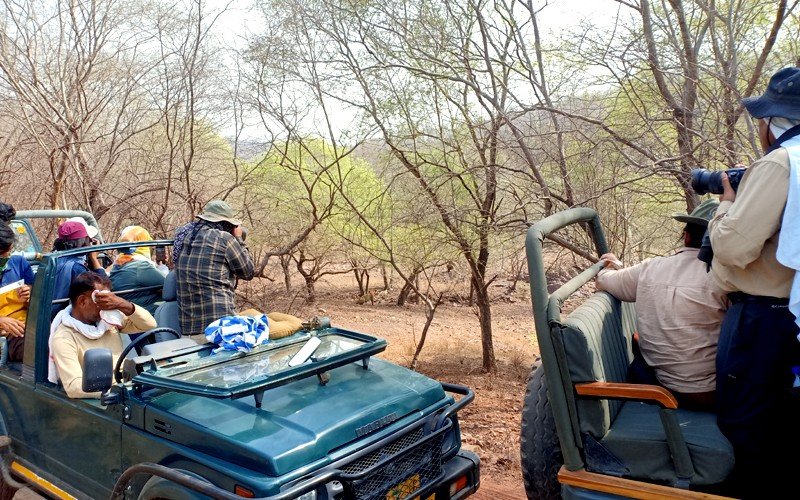
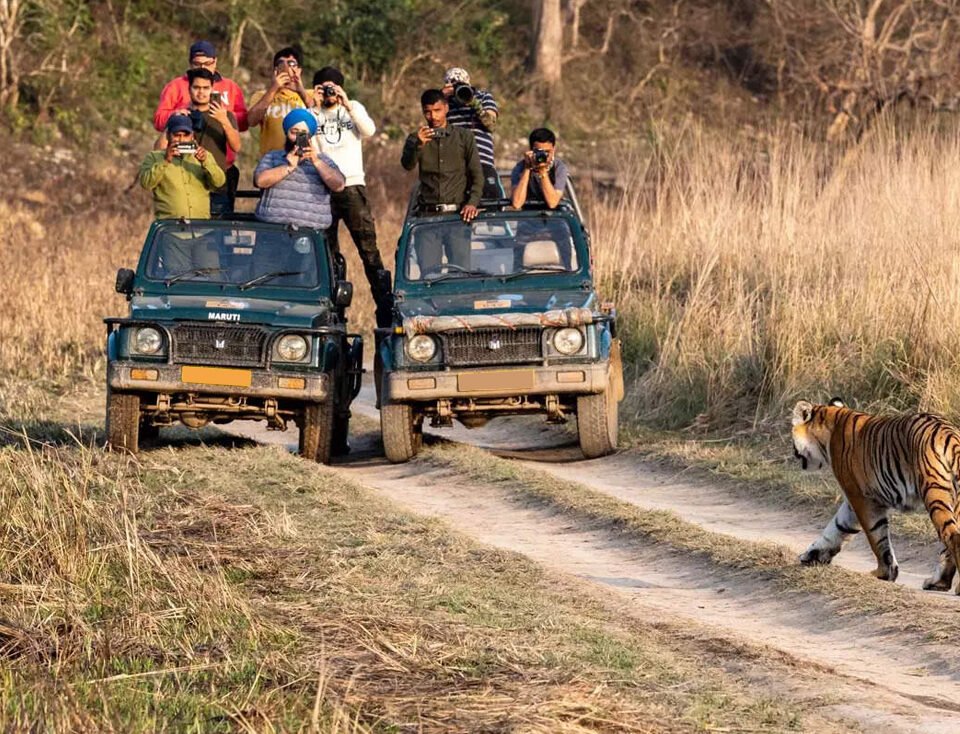
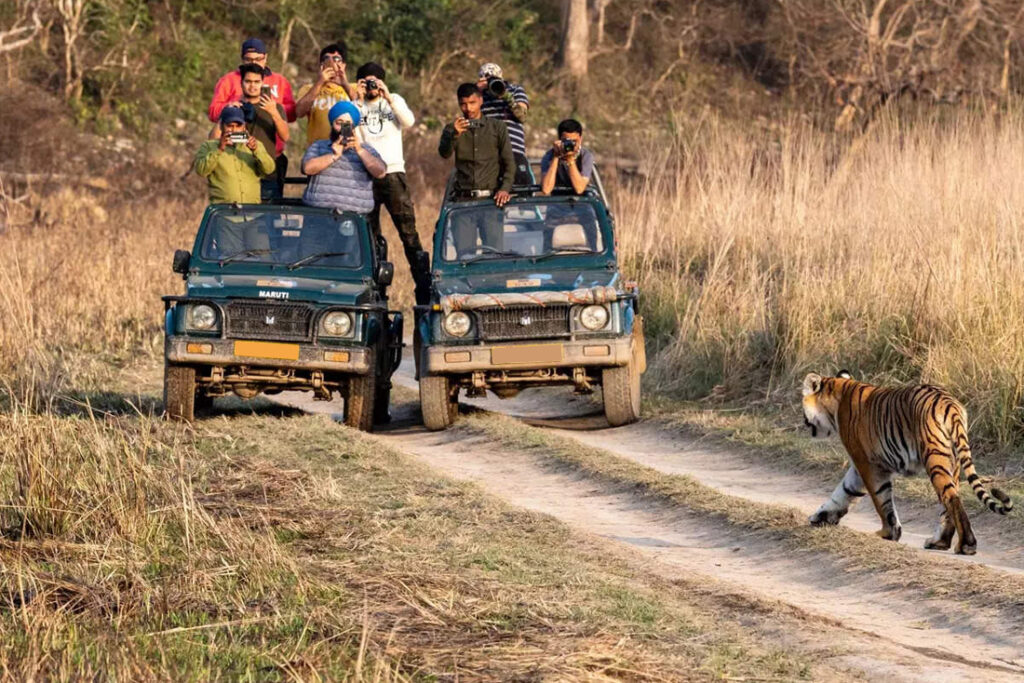
- 6-Seater Open-Top Jeep (Gypsy): Ideal for couples, families, photographers, and small groups. Jeeps are quieter, more agile on narrow rocky tracks, and sit lower to the ground, offering a more intimate perspective and better camera angles.
- 20-Seater Open-Top Bus (Canter): Built for larger groups and budget-conscious travelers. While Canters are noisier and take longer to maneuver, their elevated seating actually provides a vantage point that helps you peer over tall grass and scrub bushes.
Pricing Note: Safari fees vary by nationality and vehicle type. Historically, standard per-person rates have started around INR 900 to 1,400 for Indian nationals and INR 2,000 to 2,500 (roughly $26 to $32 USD) for foreign nationals, though official forest permit tariffs, gypsy rental fees, and guide charges are periodically updated by the Rajasthan Forest Department.
Essential Safari Timings and Best Time to Visit
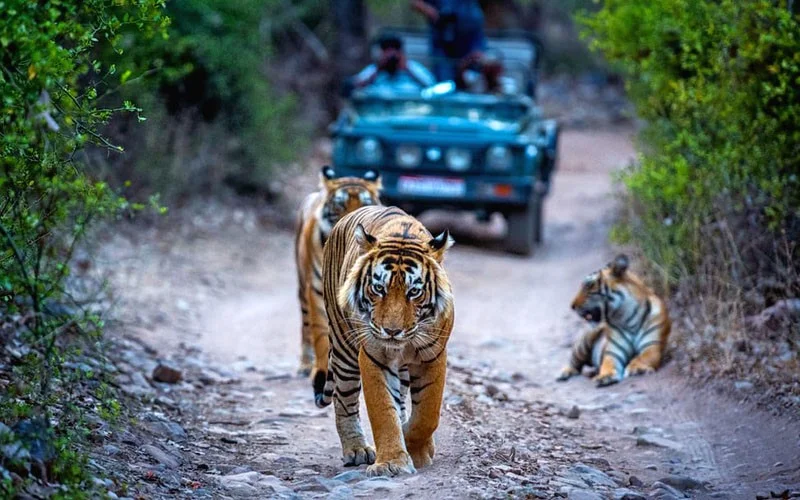
A tiger safari in Ranthambore operates twice daily—once at dawn and once in the mid-afternoon—and each excursion lasts for approximately three hours. Because the schedules follow sunrise and sunset, exact departure times shift slightly throughout the year:
- General Schedule: Morning drives typically depart around 6:30 AM, while afternoon drives depart around 2:30 PM.
- Summer Schedule (April 1st to May 15th and onwards): Morning drives start earlier at 6:00 AM to beat the heat, and afternoon drives begin around 3:00 PM.
Best Season for Sightings
The core zones of the park are open from October 1st to June 30th (while core zones close during the July–September monsoon breeding season, Zones 6 to 10 often remain open). However, the optimum window for a Ranthambore tiger safari is between November and May.
- Winter (November to February): The forest is lush and cool, making it comfortable for travel. Tigers often come out into the open trails during the morning hours to bask in the warmth of the winter sun.
- Summer (April to June): While the heat is blistering and relentless, summer is arguably the absolute best time for sightings. As small seasonal streams dry up, tigers have no choice but to stay close to the permanent waterholes in Zones 1 through 5, frequently soaking in the water for hours during the afternoon drives.
Beyond the Tiger: Other Wildlife in Ranthambore
While the Bengal tiger steals the spotlight, keeping your eyes peeled across every Ranthambore Tiger Safari Zones reveals a thriving ecosystem teeming with unique fauna. Even on drives where the big cat remains elusive, you can spot:
- Predators: Indian Leopards (especially in the rocky crevices of Kachida Valley), Striped Hyenas, Golden Jackals, Jungle Cats, and rare Caracals.
- Herbivores: Massive Sambar deer (the primary prey of the Ranthambore tigers), spotted Chital deer, Nilgai (Blue Bull—Asia’s largest antelope), Blackbucks, Chinkara (Indian Gazelle), and Indian Wild Boar.
- Other Mammals & Reptiles: Sloth Bears (fond of the rocky caves and termite mounds), Langurs and Rhesus Macaques (whose sharp alarm calls alert guides to nearby predators), Common Palm Civets, and giant Marsh Mugger Crocodiles basking along the banks of Padam and Malik Talao.
How to Get There & What to Pack for the Zones
Getting to the park is straightforward. The nearest airport is in Jaipur, located about 3.5 to 4 hours away by road. However, the easiest and most popular method from any major Indian city (including Delhi, Agra, Mumbai, and Jaipur) is taking a direct train to Sawai Madhopur Railway Station, which sits just minutes away from the park’s main hotel strip and entrance gates. Surrounding the entrance gates, travelers can find a wide range of accommodations—from tented bungalows to five-star luxury wildlife resorts offering full-board meals, pools, and spa amenities, often priced remarkably affordably under $100 USD a night.
Because you will spend hours in an open-air vehicle navigating unpaved, bumpy forest tracks, packing the right gear for your chosen safari zones in Ranthambore is vital:
- A Scarf or Buff (Any Season): The dirt roads leading from the resorts through town and across the dry forest zones kick up immense clouds of dust. Bringing a scarf to wrap around your nose and mouth (or buying a souvenir tiger scarf from local vendors at the park gate for around $5) will save you from swallowing dust for three hours.
- Seasonal Clothing Layers: Northern India’s climate swings between extremes. If visiting between November and February, morning drives in an open jeep at 6:30 AM are freezing cold; pack thermal layers, a warm winter jacket, warm socks, closed-toe boots, and thin gloves that still allow you to operate a camera shutter. If visiting in April, May, or June, prepare for scorching heat with breathable, lightweight fabrics, high-SPF sunscreen, dark sunglasses, and a sun hat with a chin strap so it doesn’t fly off when your driver speeds up to track a tiger.
- High-Impact Support: Pursuing a tiger across the rocky hills and shallow streambeds of Ranthambore involves plenty of bouncing and jostling. Comfortable, supportive clothing—including a high-impact sports bra for women—makes the bumpy ride far more enjoyable.
- Camera Gear & Lens Cleaning Tools: With dust flying constantly in the open jeep, swapping camera lenses mid-safari is risky for your camera sensor. Mount a versatile zoom lens onto your DSLR or mirrorless body before leaving your hotel, and carry a LensPen or microfiber blower in your day bag to wipe away dust and sand between sightings.
- Basic Travel Essentials: Always keep insect repellent, a reusable water bottle, and standard stomach remedies (like Imodium or Pepto-Bismol) in your daypack so a sudden adjustment to rich local cuisine never sidelines you from an early morning drive.
Final Thoughts on Choosing Your Ranthambore Zone
A tiger safari in Ranthambore is one of the most unforgettable wildlife adventures in the world, blending raw natural beauty with centuries-old history. While luck always plays a role in the wild, taking control of what you can plan makes all the difference. By booking well in advance, staying at the best resort in Ranthambore near the main entry gates, scheduling at least four drives, and insisting on permits within the core safari zones in Ranthambore—especially Zones 1, 2, and 3—you set yourself up for the best possible chance of locking eyes with a wild Royal Bengal Tiger in the heart of Rajasthan.