Best Ranthambore Jungle Camp Resort for Nature Lovers

Ranthambore Tiger Safari Zones Explained: How to Choose the Best Zone for Sightings
October 14, 2026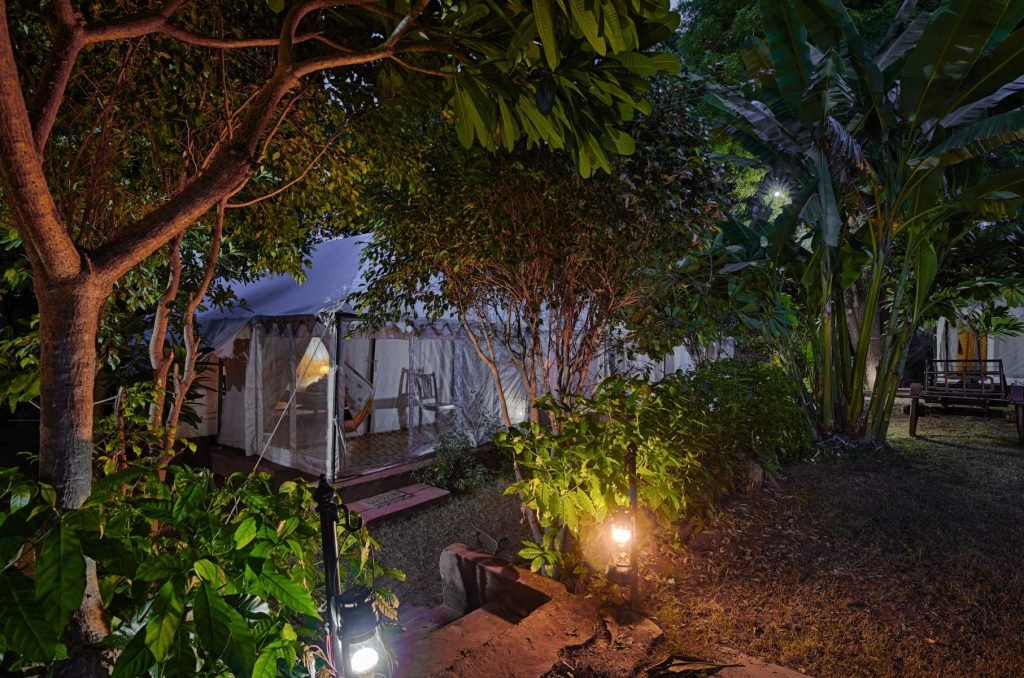
Ranthambore, located in Rajasthan, India, is one of the country’s most popular destinations for wildlife enthusiasts, nature lovers, photographers, and adventure seekers. Famous for its Bengal tigers, beautiful forest landscapes, ancient ruins, and peaceful natural surroundings, Ranthambore offers an unforgettable escape from busy city life. Choosing the right accommodation can make this experience even more rewarding.
For travelers seeking a memorable wildlife holiday, Ranthambore Tiger Resort is a property to consider when planning a relaxing stay close to the natural attractions of the region. Whether you are organizing a family holiday, a romantic getaway, or a wildlife photography trip, choosing a comfortable best resort in Ranthambore can help you enjoy the area’s atmosphere while planning your jungle adventures.
A well-planned jungle resort in Ranthambore experiences relaxation, opportunities to explore local attractions, and convenient arrangements for visiting Ranthambore National Park. If you love the outdoors, a nature camp stay in Ranthambore can be a wonderful way to experience the region’s natural beauty at a comfortable pace.
Why Ranthambore Is Perfect for Nature Lovers
Ranthambore National Park is widely known for its tiger population, but there is much more to discover than its most famous residents. The landscape includes dry deciduous forests, grasslands, lakes, rocky hills, and historic structures that create a distinctive environment for wildlife.
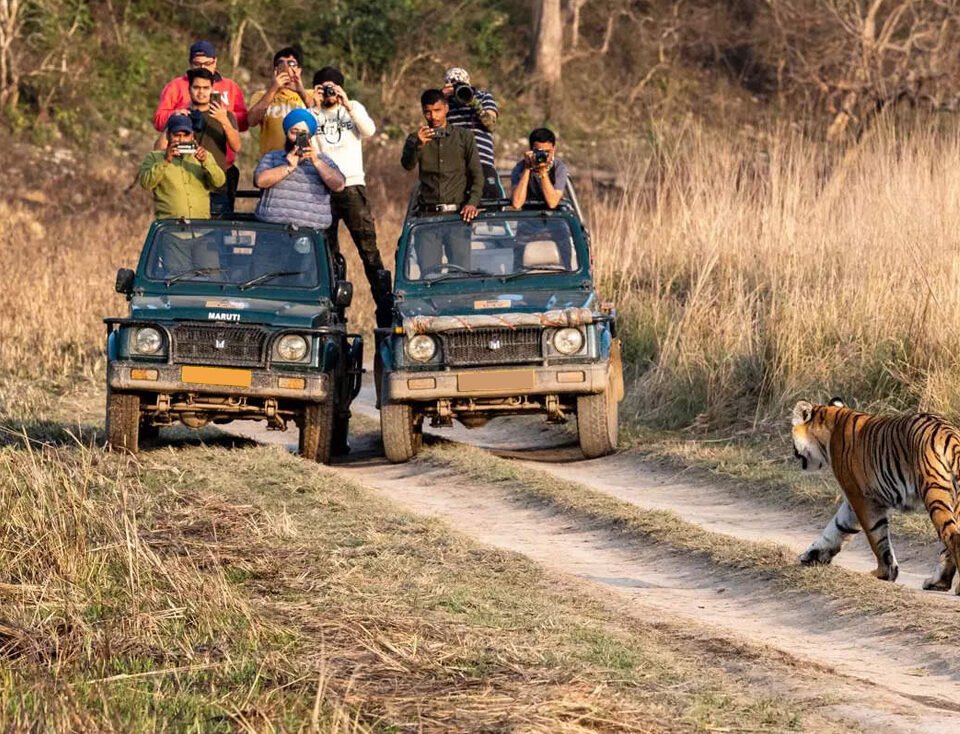
Visitors may encounter animals such as sambar deer, spotted deer, nilgai, wild boar, crocodiles, and numerous bird species during authorized safaris. However, wildlife sightings are never guaranteed, which makes patience and appreciation of the natural surroundings an essential part of the experience.
Staying at a Ranthambore jungle camp resort gives travelers an opportunity to enjoy a nature-focused holiday while keeping time for rest between excursions. Selecting a Ranthambore resort near the National Park can also make it easier to organize safari timings, local sightseeing, and transportation, depending on the property’s actual location and available services.
For travelers who want to balance outdoor exploration with relaxation, Ranthambore offers an appealing combination of wilderness, heritage, and local Rajasthani culture.

Why Choose Ranthambore Tiger Resort for Your Jungle Experience?
When choosing accommodation for a wildlife holiday, travelers should consider comfort, location, available facilities, dining arrangements, and assistance with safari planning. Ranthambore Tiger Resort is a property to explore when comparing options for your next trip.
A good camp stay in Ranthambore should allow you to relax after an early-morning safari and prepare comfortably for another day of exploration. Before booking Ranthambore Tiger Resort, check its current room categories, amenities, dining options, outdoor spaces, and transport arrangements directly with the property.
Here are some useful considerations when planning your stay:
- Comfortable accommodation: Choose a room or tent category that matches your group size, budget, and comfort preferences.
- Nature-focused atmosphere: Look for outdoor areas where you can unwind and appreciate the surroundings.
- Safari planning assistance: Ask whether the resort helps guests understand safari booking procedures and transportation arrangements.
- Dining convenience: Confirm meal options, timings, and whether early breakfast or packed meals can be arranged for safari departures.
- Family-friendly arrangements: If traveling with children or older family members, check accessibility, safety provisions, and available services.
A carefully planned jungle resort stay in Ranthambore can make your holiday more convenient by giving you a comfortable base for exploring the region. Remember to verify current facilities and services with Ranthambore Tiger Resort rather than assuming that every package includes the same amenities.
What Makes a Nature Camp Stay in Ranthambore Special?
A nature camp stay in Ranthambore holiday is about more than visiting a national park. It is an opportunity to slow down, appreciate natural surroundings, observe local birdlife, and enjoy the distinctive atmosphere of Rajasthan’s wilderness region.
The experience can be particularly rewarding for photographers, couples, families, and travelers who enjoy spending time outdoors. Quiet mornings, changing light across the landscape, and the sounds of birds can become memorable parts of the journey.
At Ranthambore Tiger Resort, ask about the outdoor experiences and facilities currently available to guests. Depending on the arrangements offered, you can plan time for relaxation, photography, local sightseeing, or other suitable activities outside safari hours.
A well-chosen Ranthambore jungle resort can complement your wildlife itinerary by giving you time to rest instead of filling every hour with travel. For many visitors, this balance between adventure and relaxation is what makes a nature holiday truly enjoyable.

Best Time to Visit Ranthambore
The best time to visit depends on your priorities, weather preferences, and interest in wildlife viewing.
October to February: These months generally offer cooler weather and pleasant conditions for sightseeing. Morning safaris can be chilly, so warm clothing is useful. This period is a good option for travelers who prefer comfortable temperatures.
March to April: Temperatures begin to rise, and the landscape gradually becomes drier. Wildlife viewing can be rewarding, although daytime conditions may be hot.
May to June: These are typically the hottest months. Some visitors prefer this period because animals may be easier to spot around limited water sources, but sightings remain unpredictable and the heat can be intense.
Safari availability and operating dates vary by zone, season, and official regulations. Check the latest park notices before finalizing your itinerary.
Booking your camp stay in Ranthambore early during popular travel periods can help you secure suitable accommodation. If you want a Ranthambore resort near a national park, verify the property’s precise location and travel time to your assigned safari boarding point before confirming your reservation.
Safari Planning Tips for a Smooth Wildlife Holiday
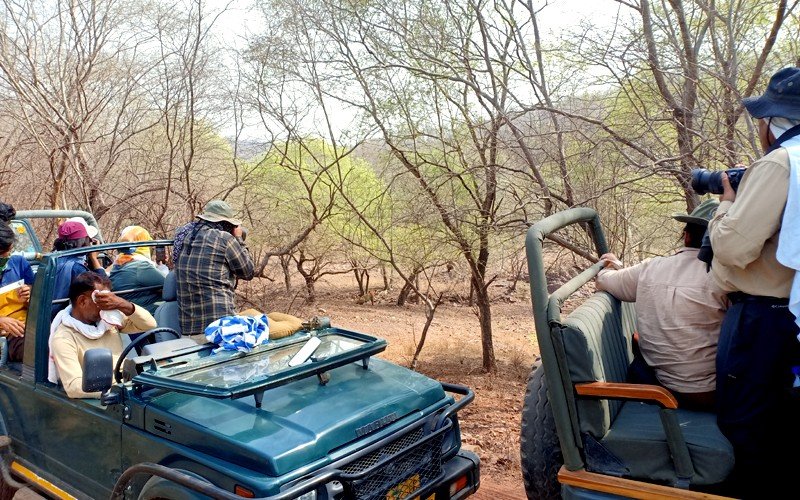
A safari is often the highlight of a Ranthambore visit, so advance planning is important. Follow these practical recommendations:
- Book through authorized channels: Use the official Rajasthan Forest Department or designated government-approved safari booking system. Confirm current procedures before payment.
- Choose your travel dates carefully: Weekends, holidays, and peak tourist seasons can have limited availability.
- Carry valid identification: Keep the identification documents required for your reservation and entry.
- Arrive on time: Safari departures operate on fixed schedules, and late arrival may result in missing your trip.
- Follow your guide’s instructions: Remain inside the designated vehicle and never attempt to approach or feed wildlife.
- Pack appropriately: Carry comfortable clothing, sun protection, drinking water as permitted, and binoculars if useful.
- Respect the forest: Avoid loud noises, littering, and any behavior that disturbs animals or other visitors.
When arranging your jungle resort in Ranthambore stay, ask whether the property provides transport to the safari pickup point or whether you need to organize it independently. Safari permits and resort accommodation are separate arrangements unless a clearly specified package states otherwise.
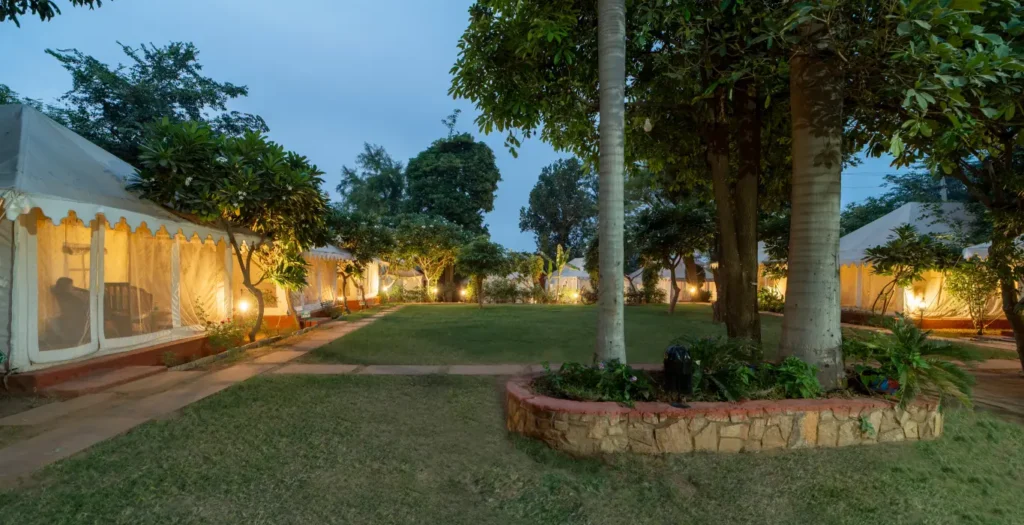
How to Plan a Memorable Stay at Ranthambore Tiger Resort
For a balanced trip, consider spending two or three nights in the region, depending on your schedule and budget. This allows time for a safari, relaxation, and exploration of nearby attractions without rushing.
You could begin with check-in and a relaxed evening, followed by an early-morning safari the next day. After returning, enjoy breakfast and rest during the warmer hours. Later, explore suitable local attractions or spend time at the property, depending on available facilities. If your schedule allows, another safari can provide a different wildlife experience.
A thoughtfully organized nature camp stay itinerary in Ranthambore should also include realistic travel times, meals, and opportunities to rest. When booking Ranthambore Tiger Resort, confirm check-in and check-out times, cancellation conditions, taxes, meal inclusions, and any additional charges.
Travelers comparing a Ranthambore resort near a national park should prioritize verified location details, clear booking terms, and reliable communication rather than choosing accommodation based on promotional claims alone.
Responsible Tourism: Protecting Ranthambore’s Natural Heritage
Responsible travel helps protect the wildlife and habitats that make Ranthambore special. Choose authorized safari operators, follow park rules, avoid single-use plastics where possible, and respect local communities and their traditions.
Never expect a tiger sighting to be guaranteed. The real value of a Ranthambore jungle camp resort holiday lies in experiencing a protected ecosystem, learning about its wildlife, and appreciating nature responsibly.
When planning your camp stay in Ranthambore, ask accommodation providers about waste management, water conservation, and responsible visitor practices. Small choices by travelers can contribute to a more respectful and sustainable tourism experience.
Conclusion: Make Your Ranthambore Nature Holiday Memorable
Ranthambore offers an exciting combination of wildlife, scenic landscapes, cultural heritage, and opportunities to reconnect with nature. Choosing suitable accommodation is an important part of making the journey comfortable and enjoyable.
Ranthambore Tiger Resort is worth considering as you plan your jungle holiday. Before making a reservation, verify its current facilities, exact location, rates, and guest services directly with the property. Combine your stay with an authorized safari, thoughtful travel planning, and respect for the natural environment.